
ancient-greece9 min
Ancient Greek Army DNA: Who Fought at Himera?
DNA from ancient Himera reveals a diverse 480 BCE Greek army, distant mercenaries, local soldiers and mobility across the Mediterranean.

Articles
33 articles on ancient-dna — ancient-DNA research written up for readers who want the evidence, not just the headline.
DNA from ancient Himera reveals a diverse 480 BCE Greek army, distant mercenaries, local soldiers and mobility across the Mediterranean.
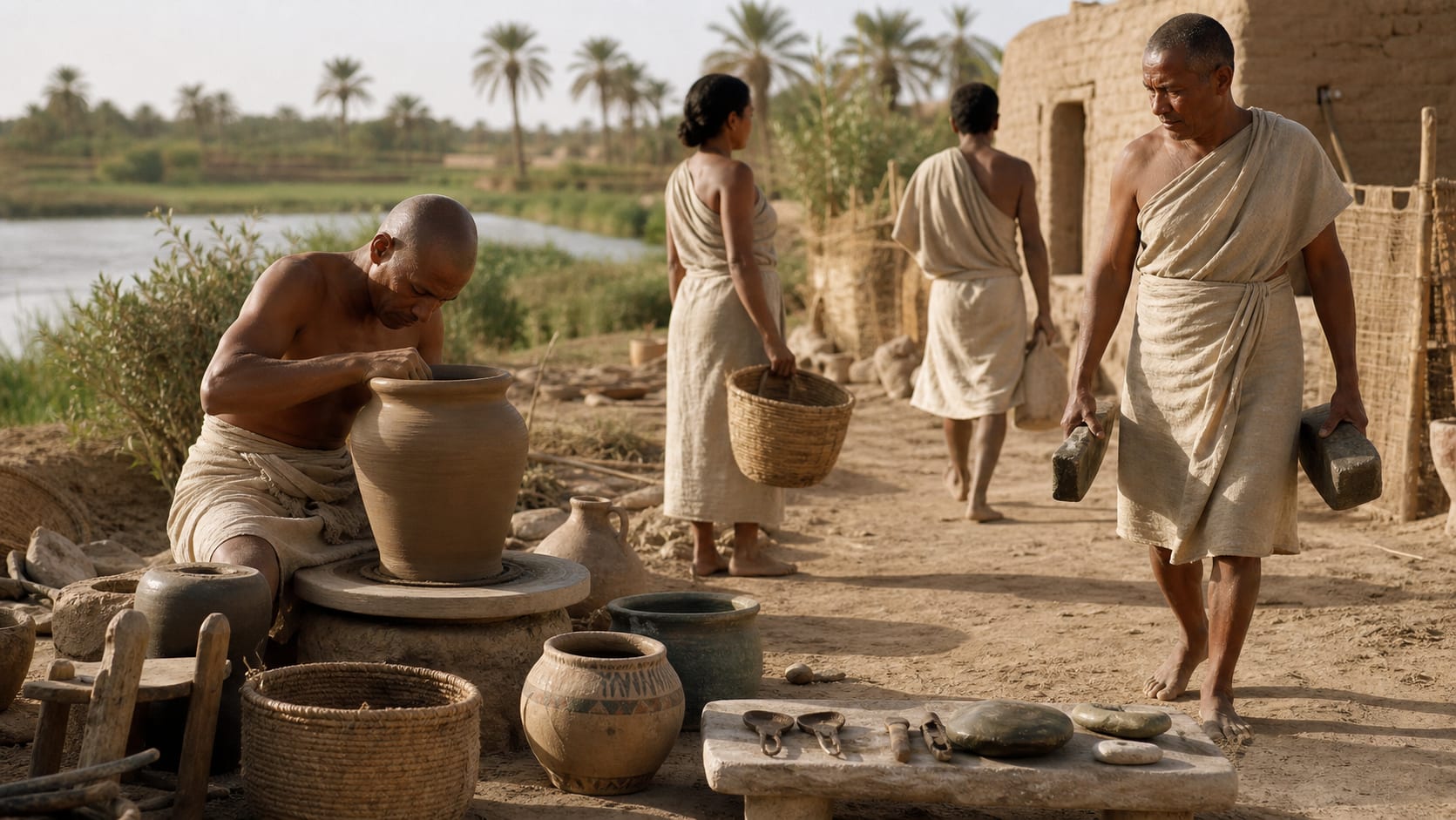
The first whole genome from Old Kingdom Egypt reveals deep North African ancestry and an eastern Fertile Crescent connection—with major limits.
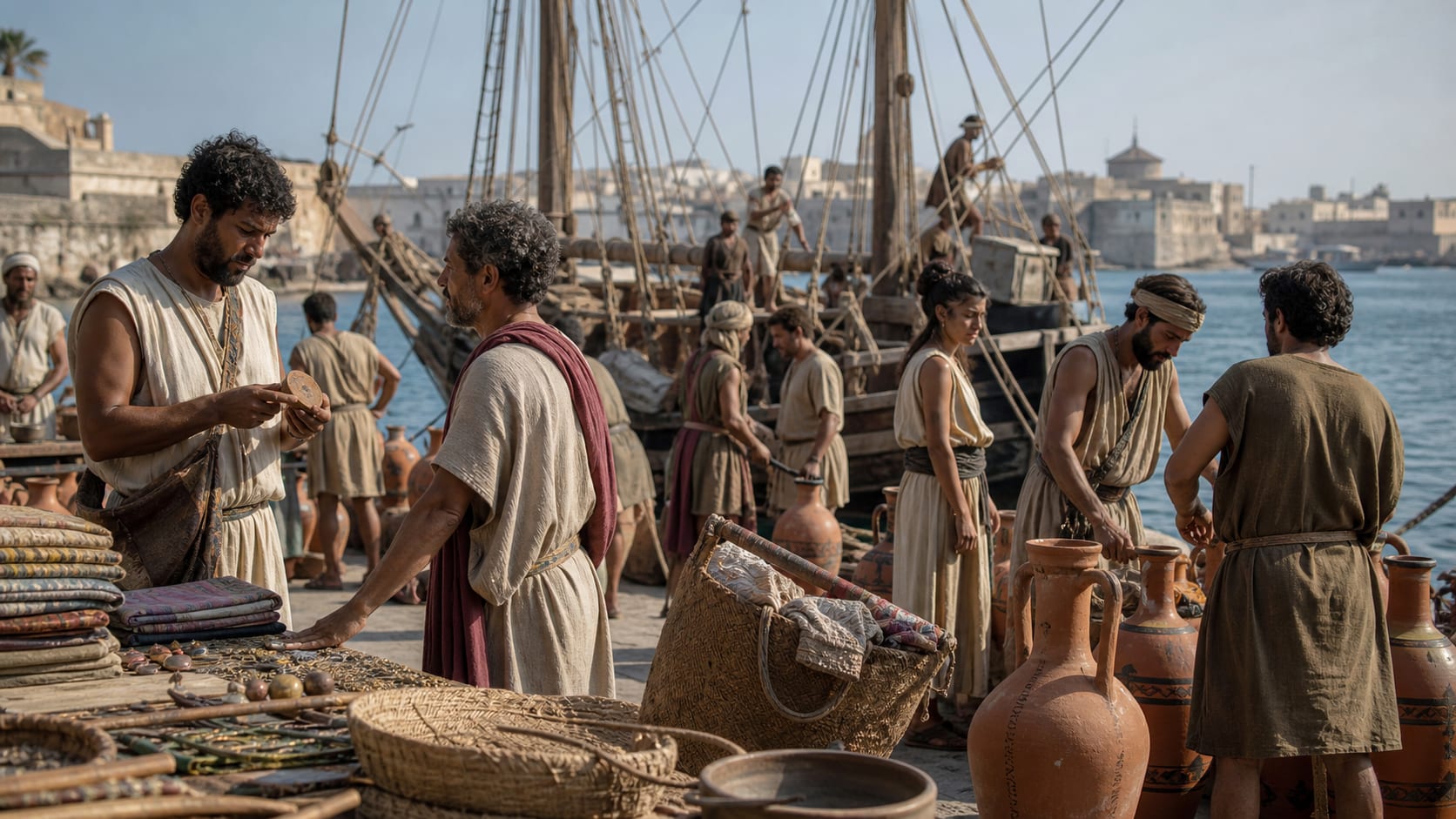
Ancient DNA reveals that Punic communities shared Phoenician culture but drew most sampled ancestry from Sicily, the Aegean and North Africa.
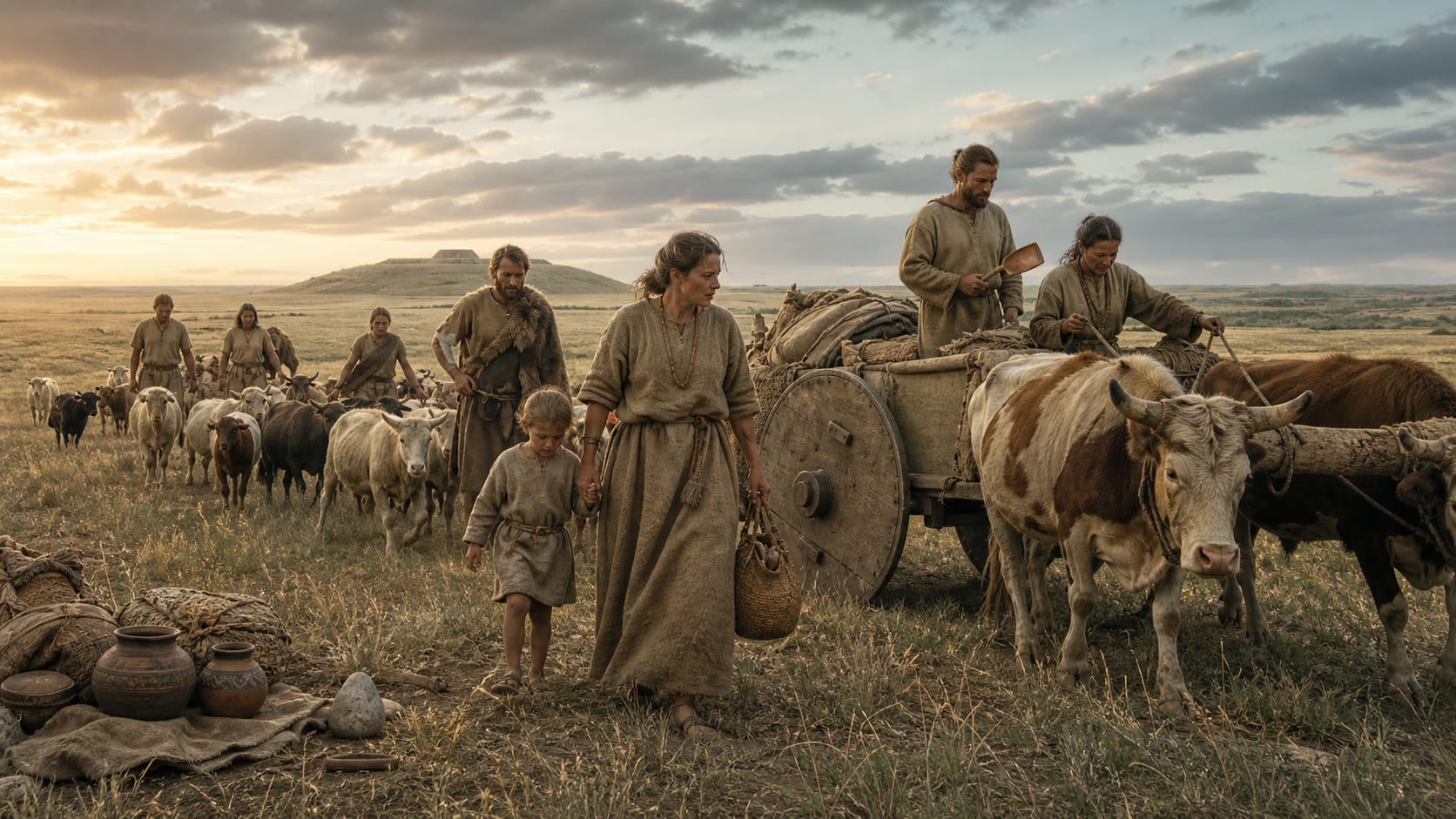
Ancient DNA traces Yamnaya ancestry to Caucasus–Lower Volga and Dnipro–Don populations before the great Bronze Age steppe expansion.
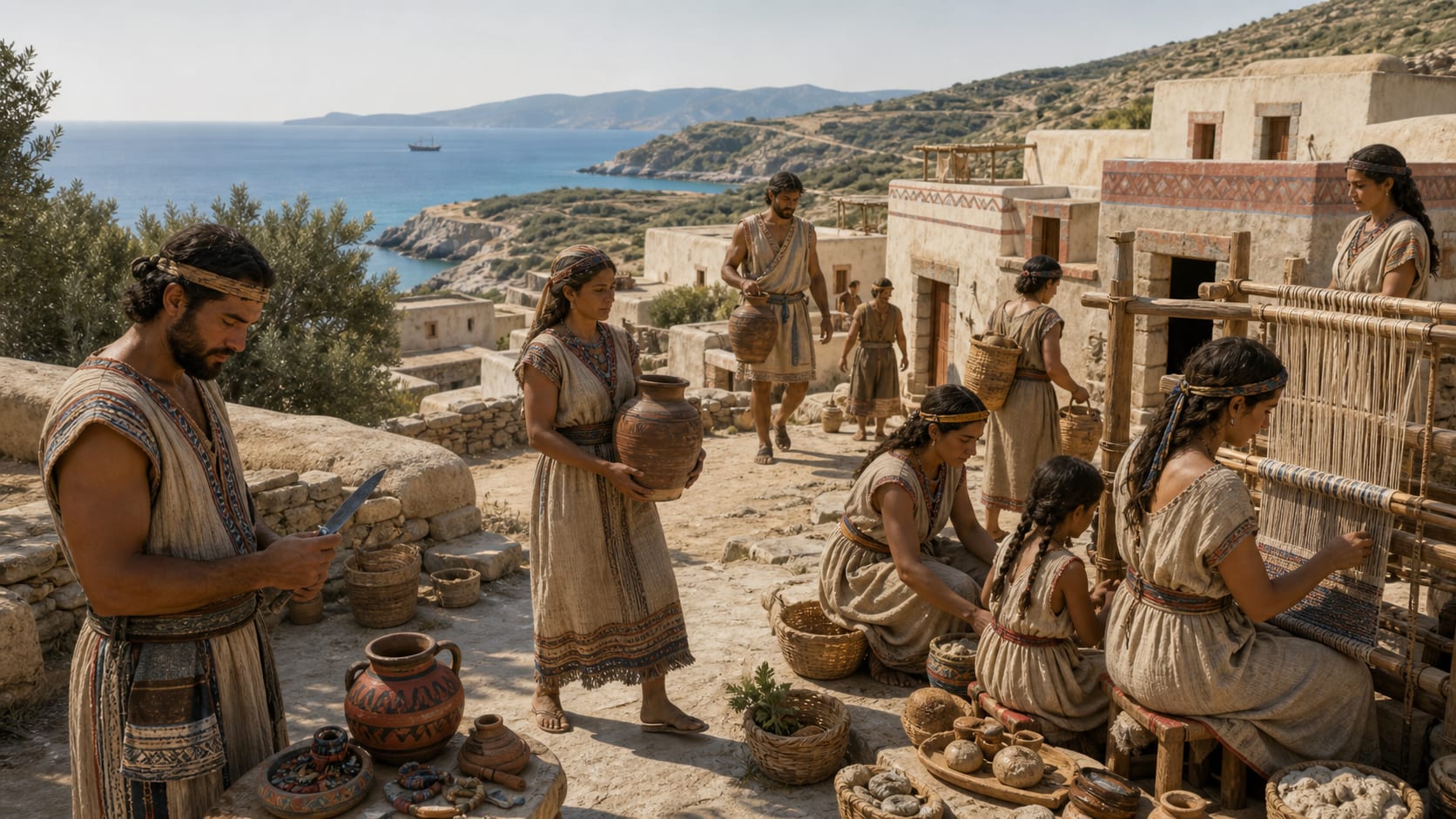
DNA from 102 prehistoric Aegeans traces migration into Crete and Greece, Mycenaean-era mobility, family burials and frequent cousin unions.
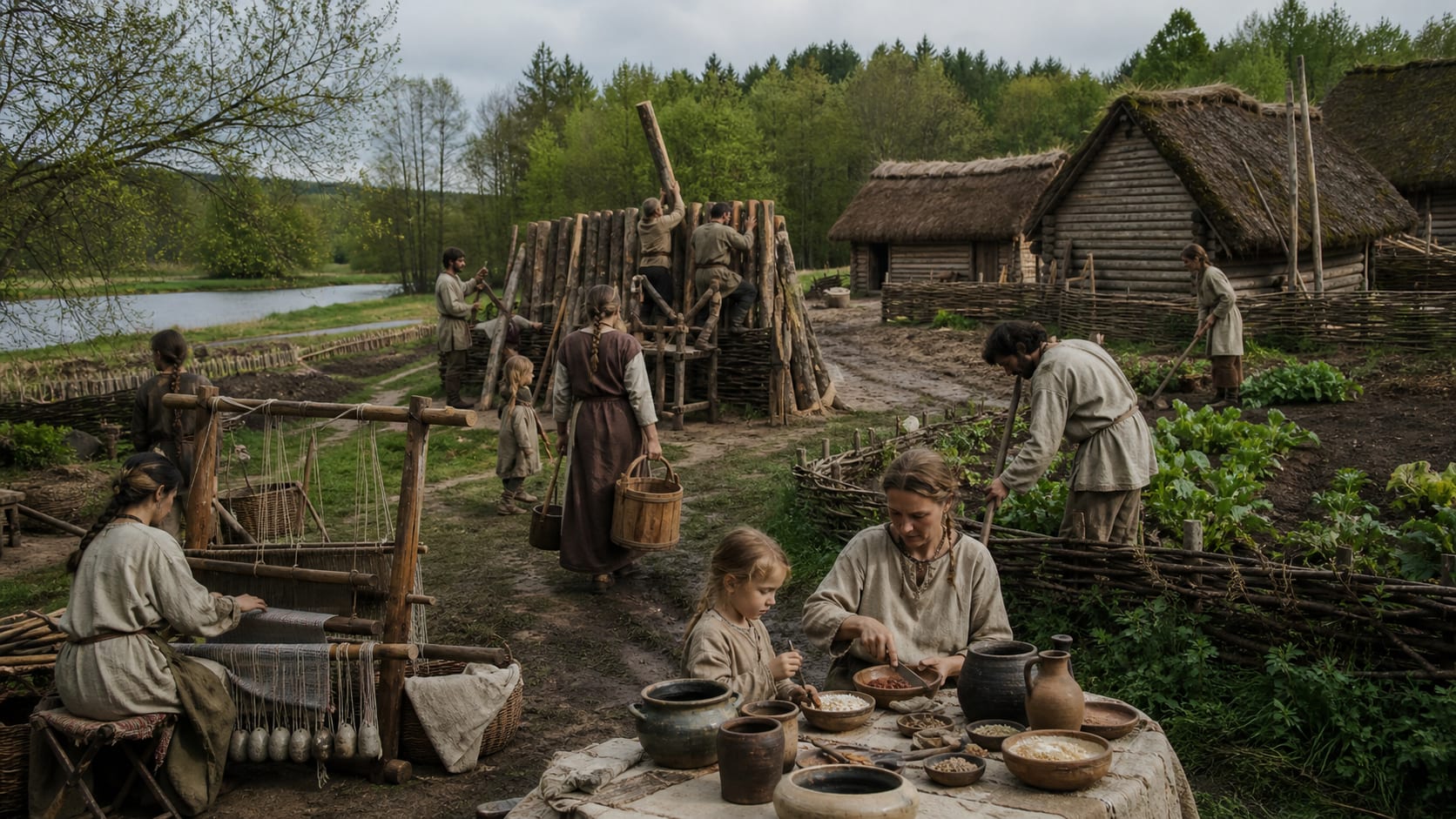
A 555-genome study traces large-scale Early Medieval migration associated with Slavic expansion, regional admixture and changing communities.
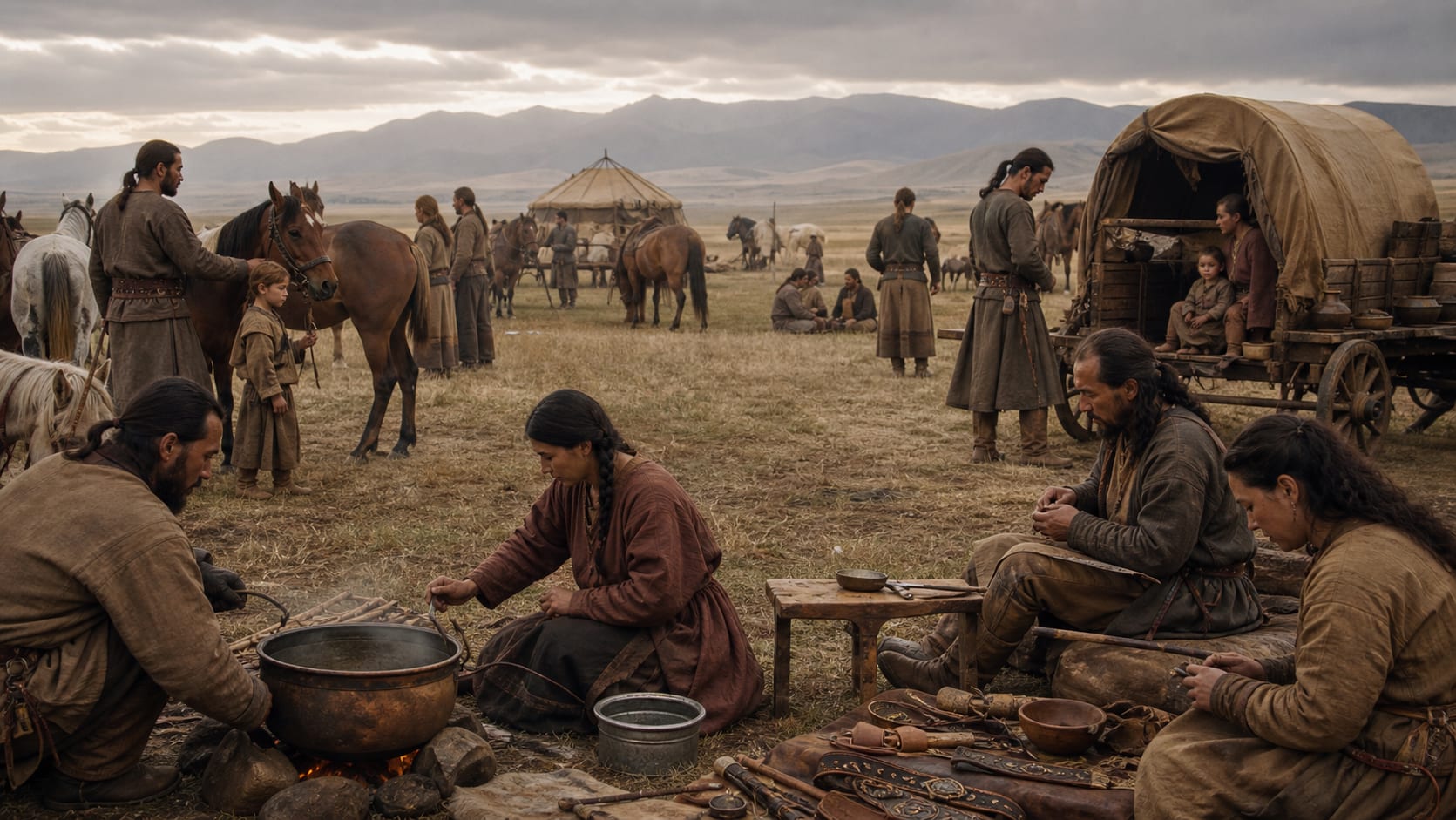
Ancient DNA connects some European Huns to Xiongnu elite lineages while revealing a highly diverse Carpathian Basin population.
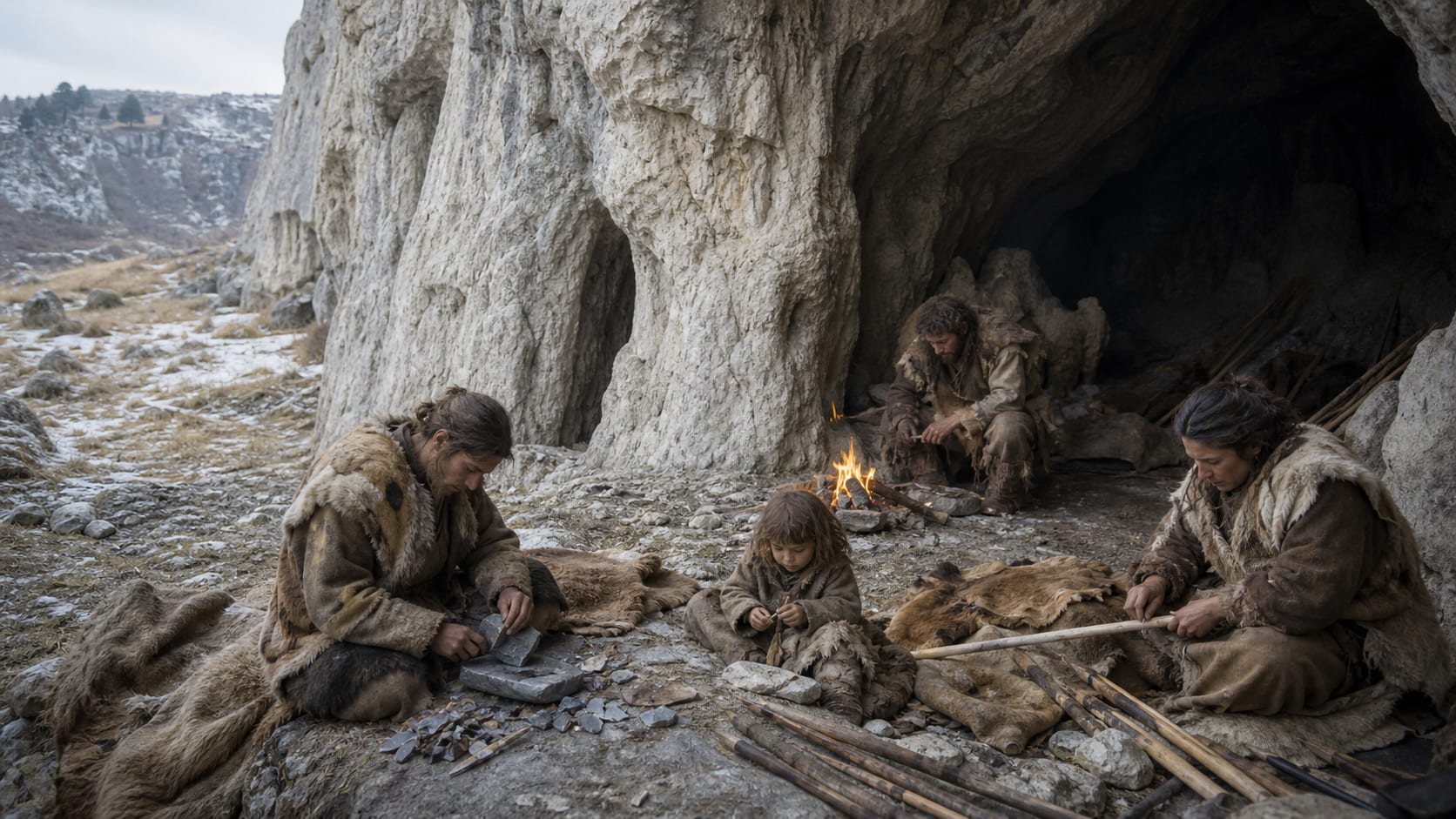
Genomes from Ranis and Zlatý kůň date the shared Neanderthal admixture in ancestors of non-Africans to roughly 45,000–49,000 years ago.
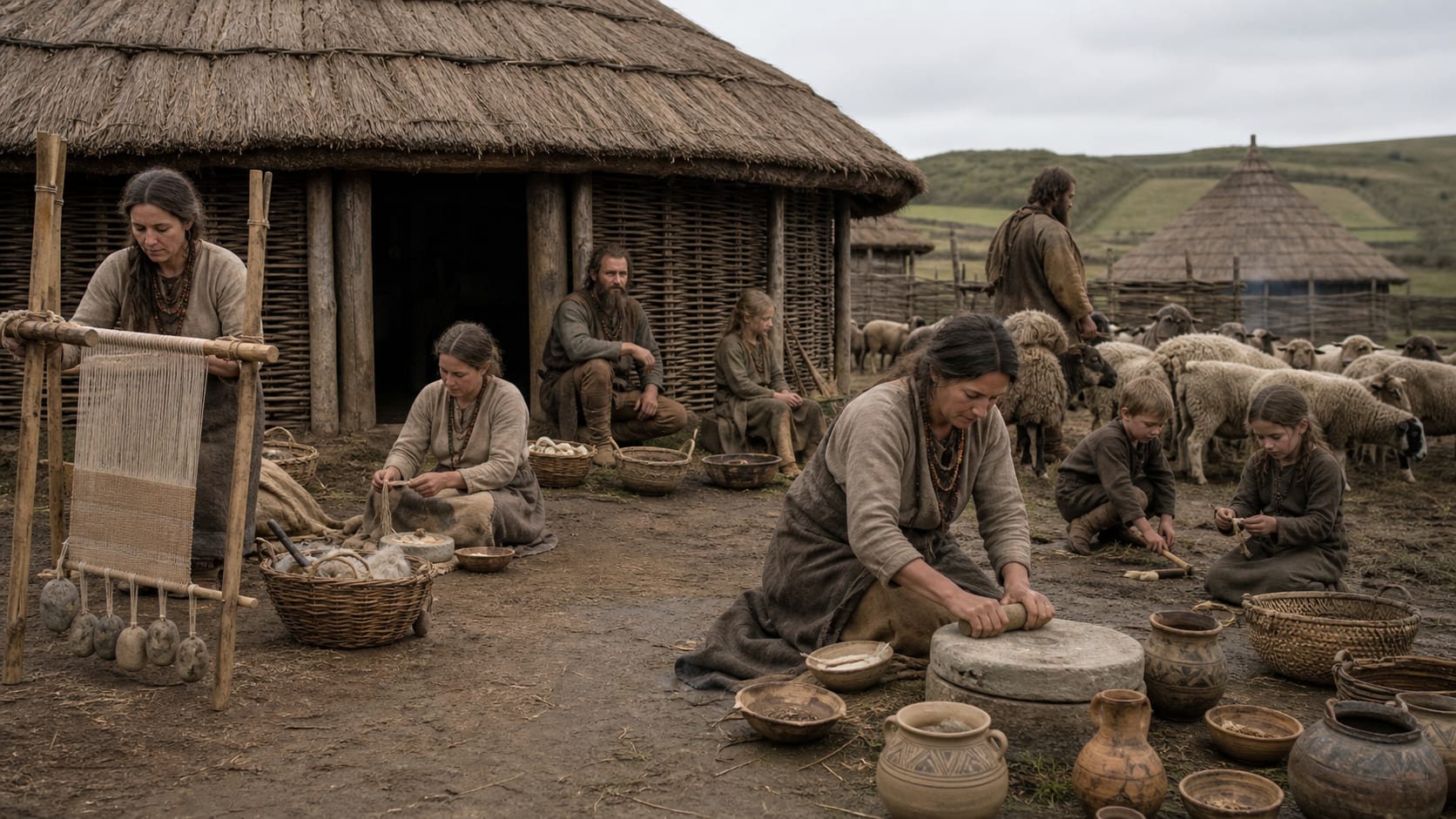
DNA from Iron Age Britain reveals matrilocal communities, female-line descent and continuing migration across the English Channel.
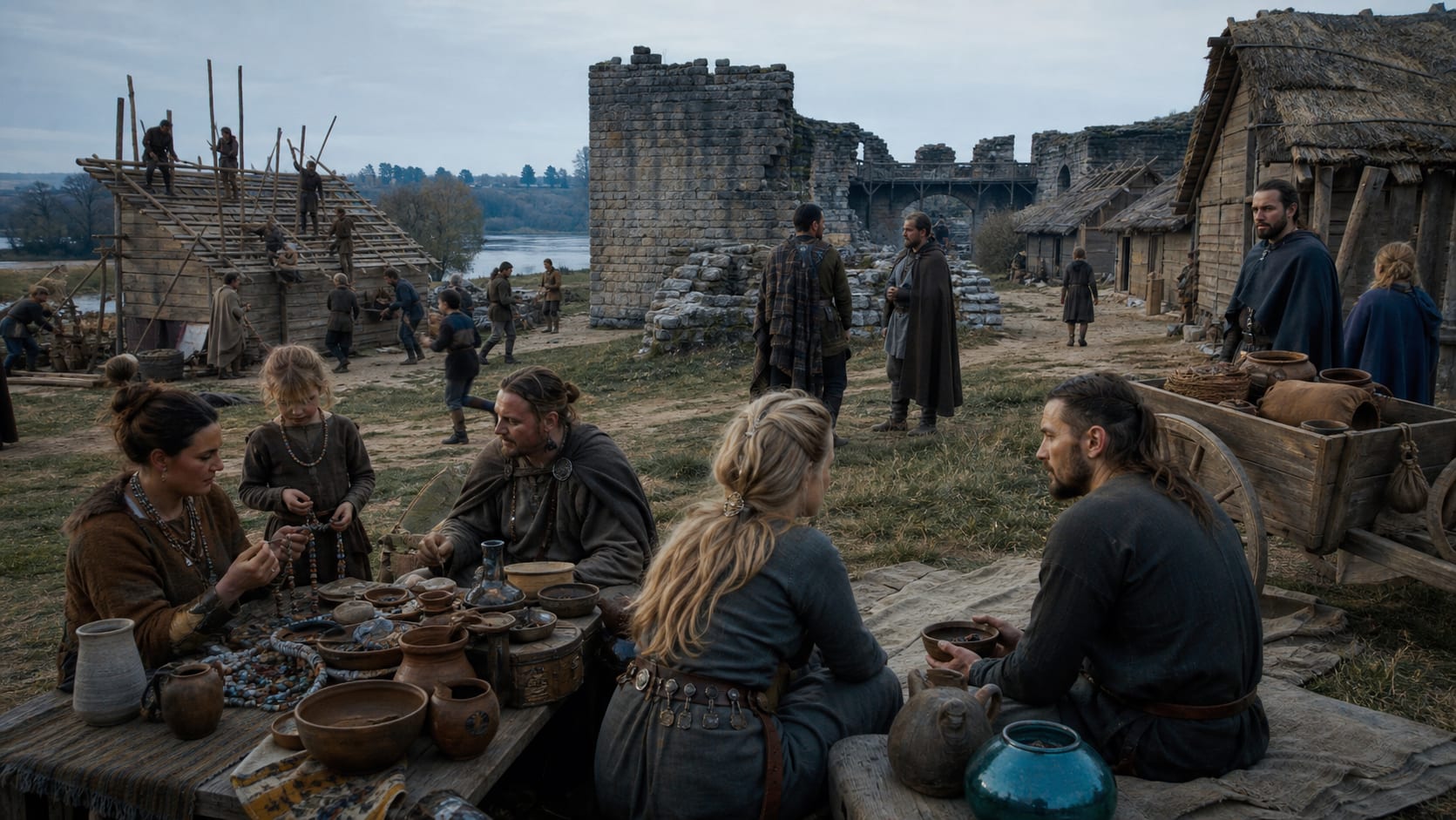
A 258-genome study reveals migration, Roman provincial mobility and family life along southern Germany's frontier after imperial rule.
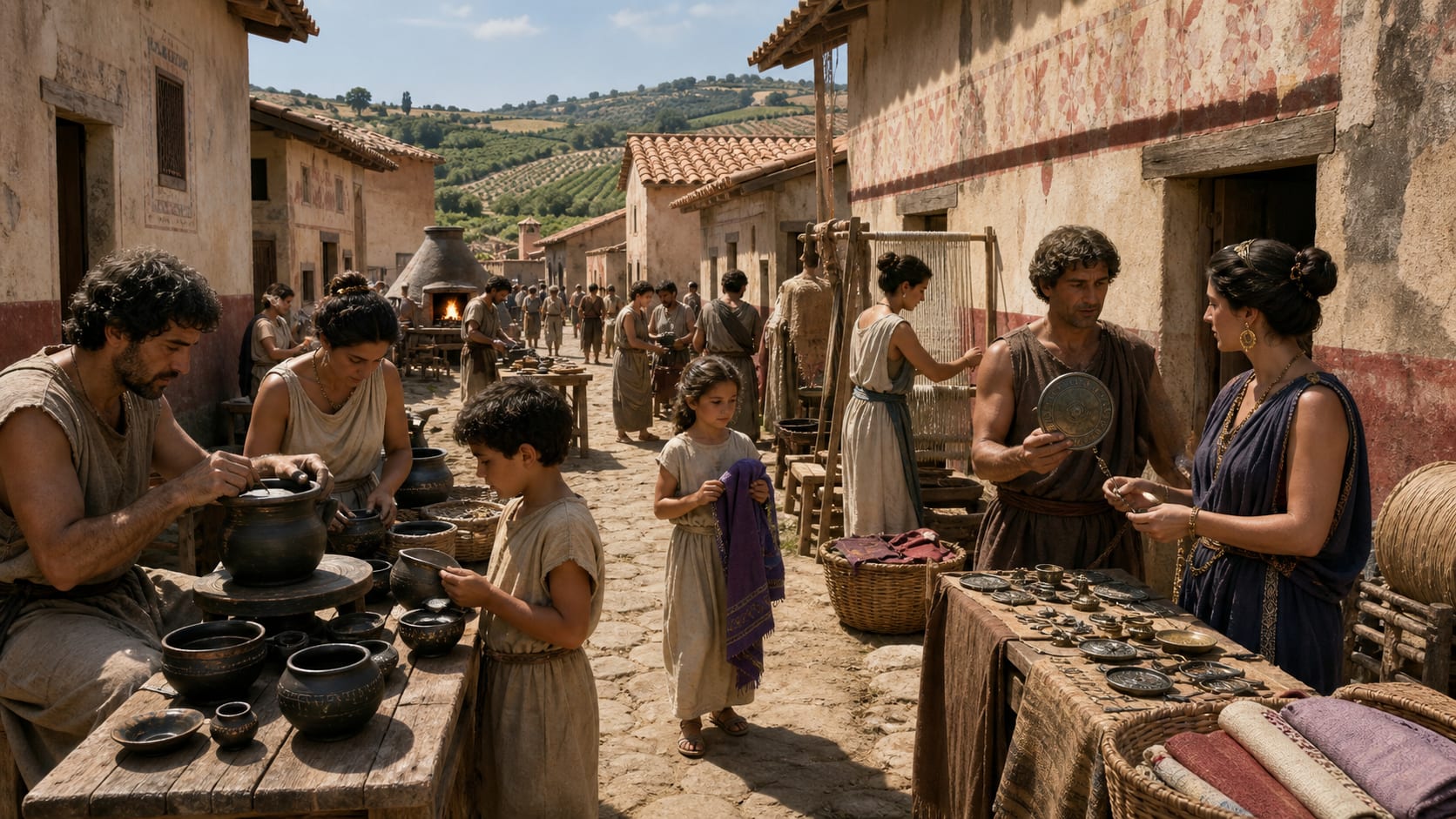
Ancient Etruscan DNA supports local Iron Age origins, genetic similarity to Latin neighbors and major ancestry shifts under imperial Rome.
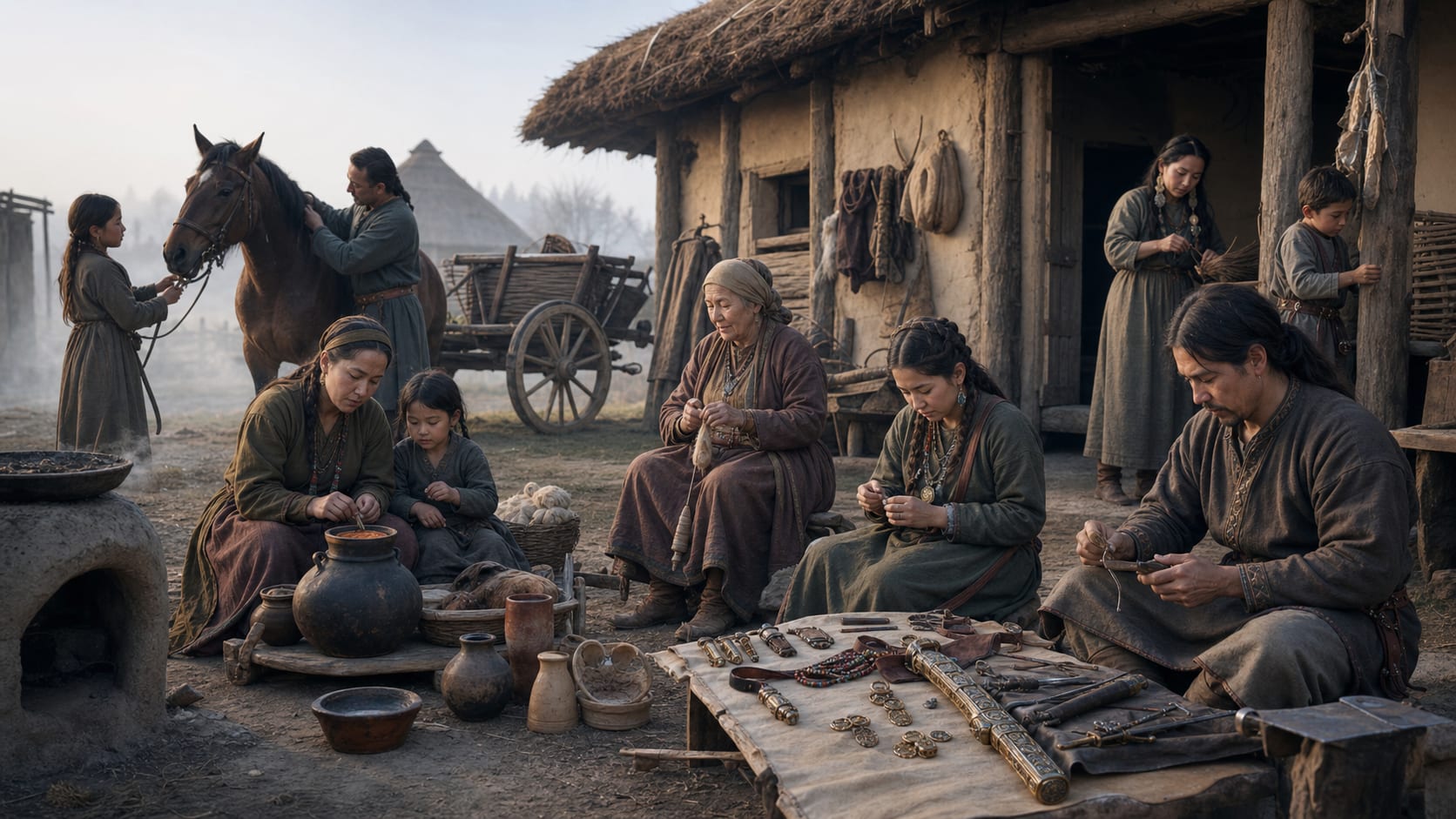
Ancient DNA reconstructs Avar-period families, marriage networks and neighboring communities with different ancestry across Central Europe.

Fifteen ancient Rapanui genomes challenge a severe pre-European collapse and date Indigenous American-related ancestry to 1250–1430 CE.
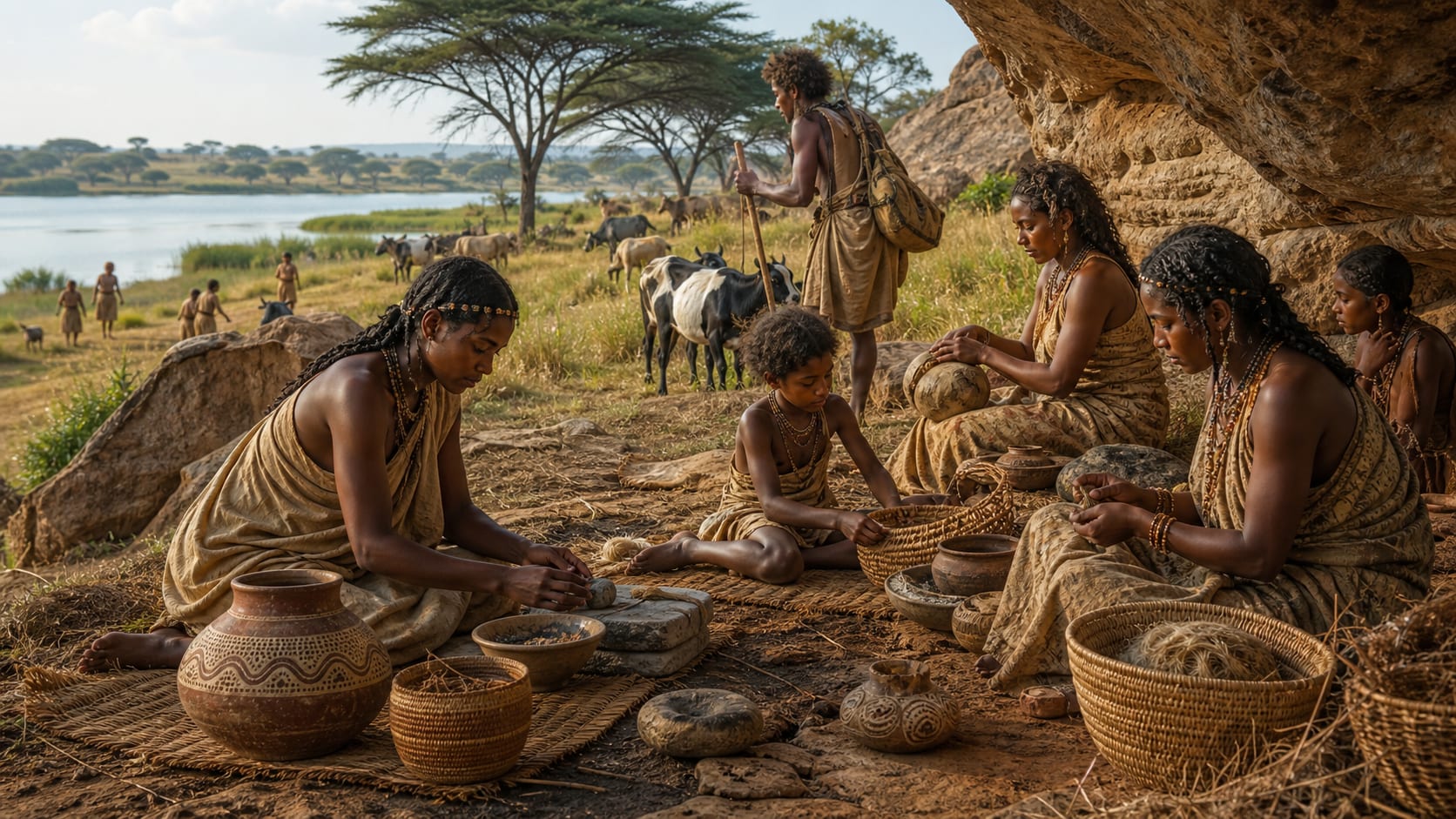
DNA from two women at Takarkori reveals a deeply rooted North African lineage and suggests Saharan pastoralism spread mainly through culture.
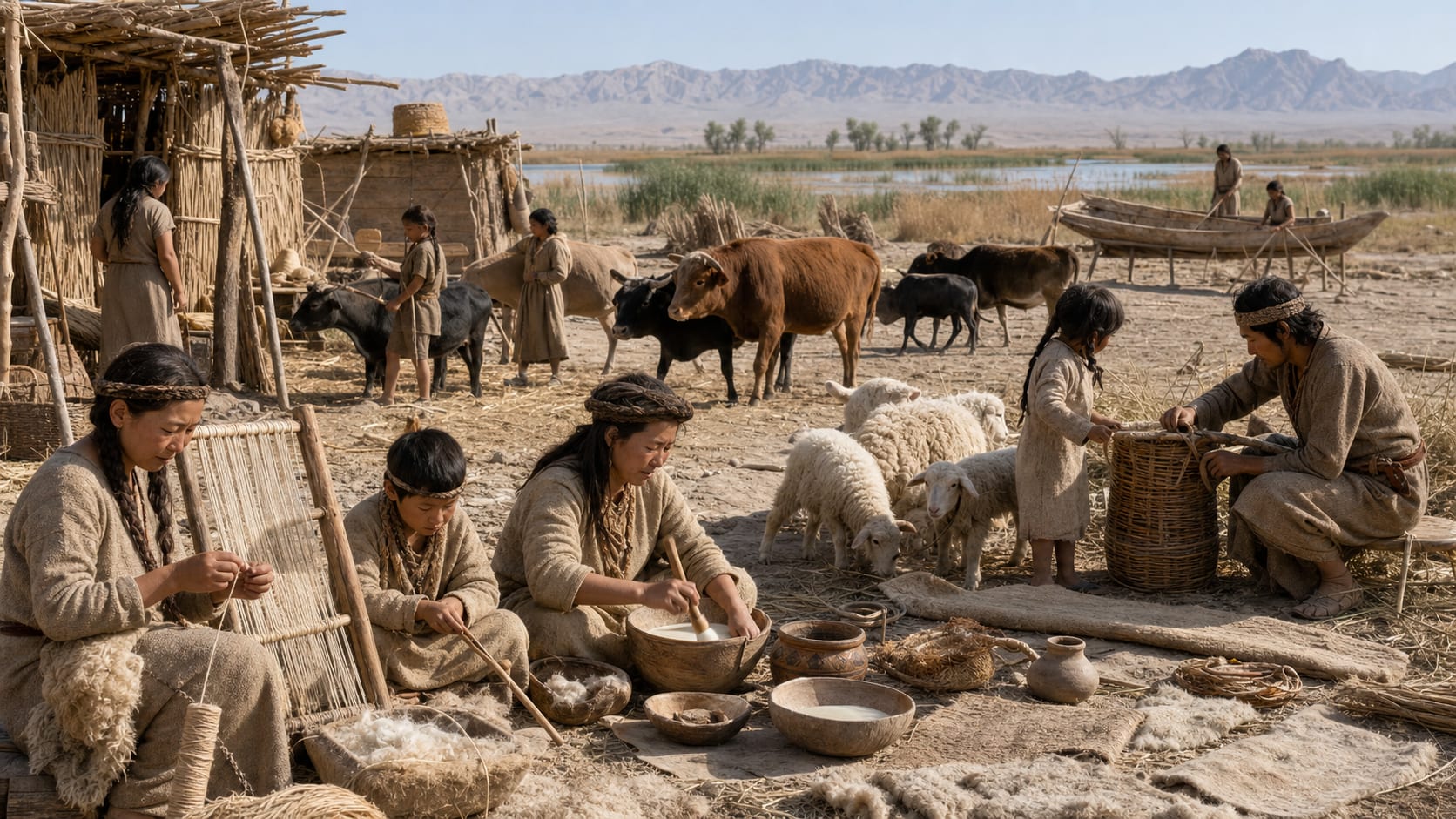
DNA from 13 early Tarim Basin mummies reveals a genetically isolated local population that adopted dairy, crops and technologies from neighbors.
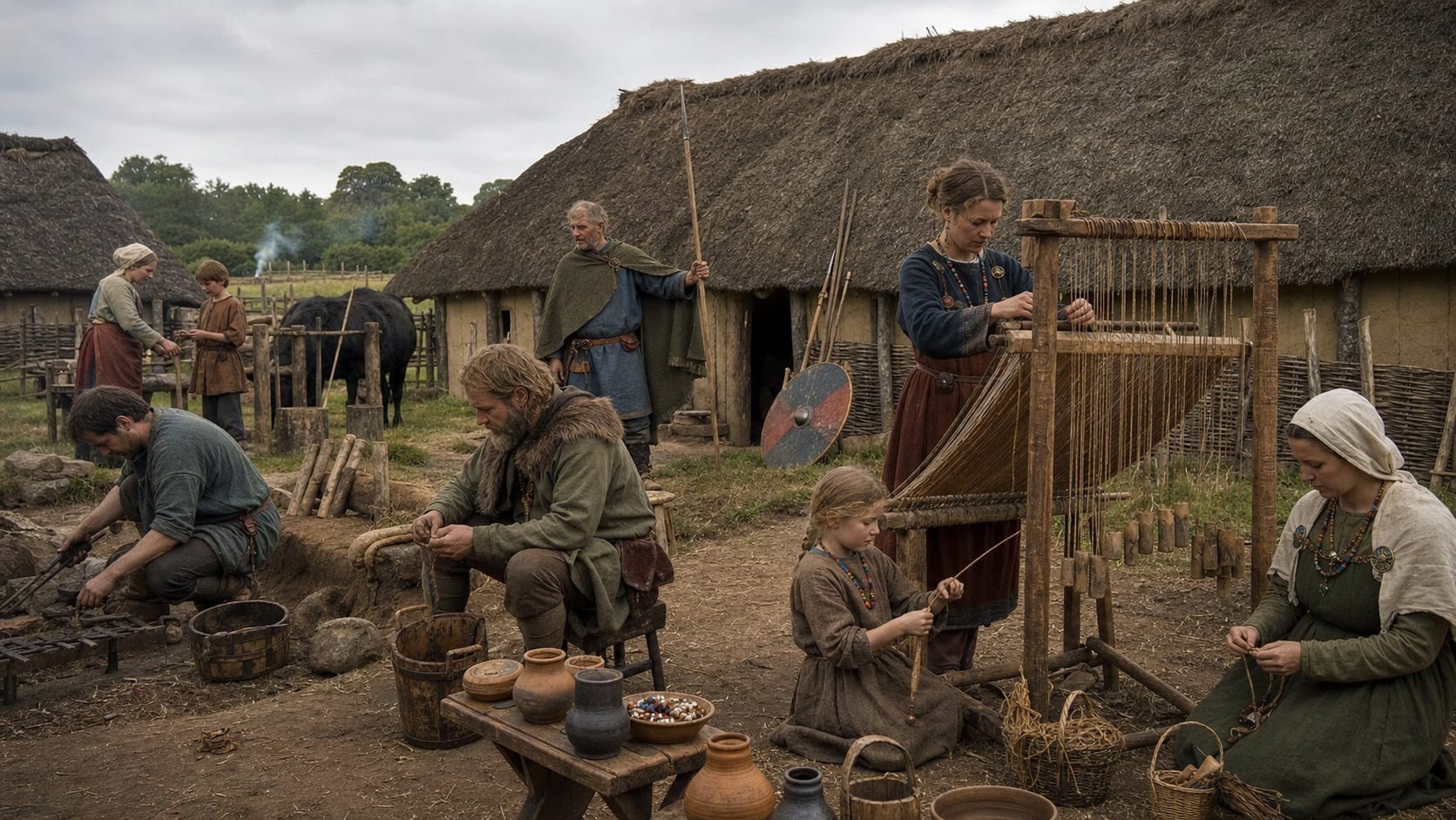
A 460-genome study reveals large North Sea migration, local integration and regional ancestry change in Early Medieval England.
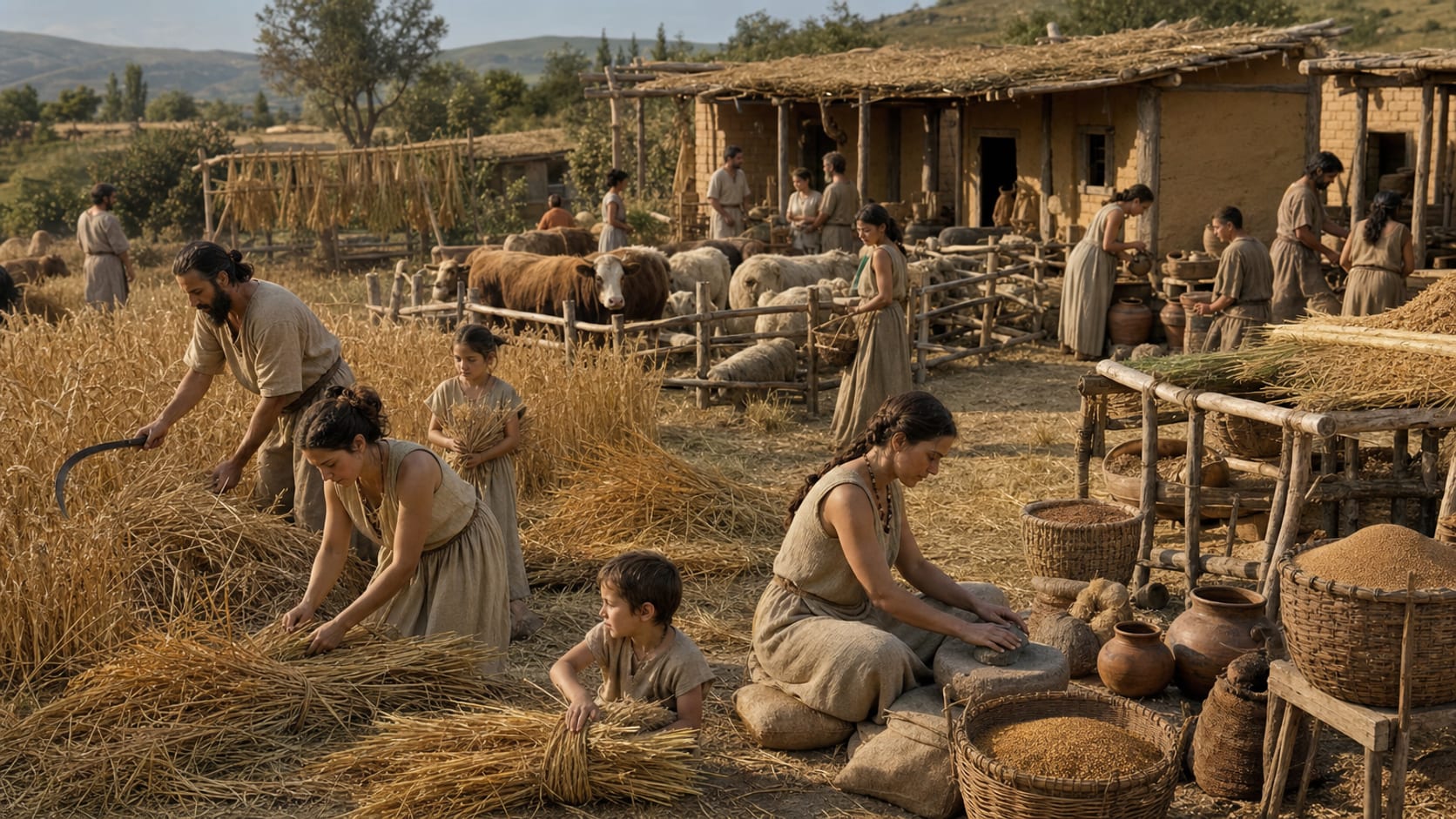
A study of 15,836 ancient and modern West Eurasians finds hundreds of genes under strong directional selection over the past ten thousand years.
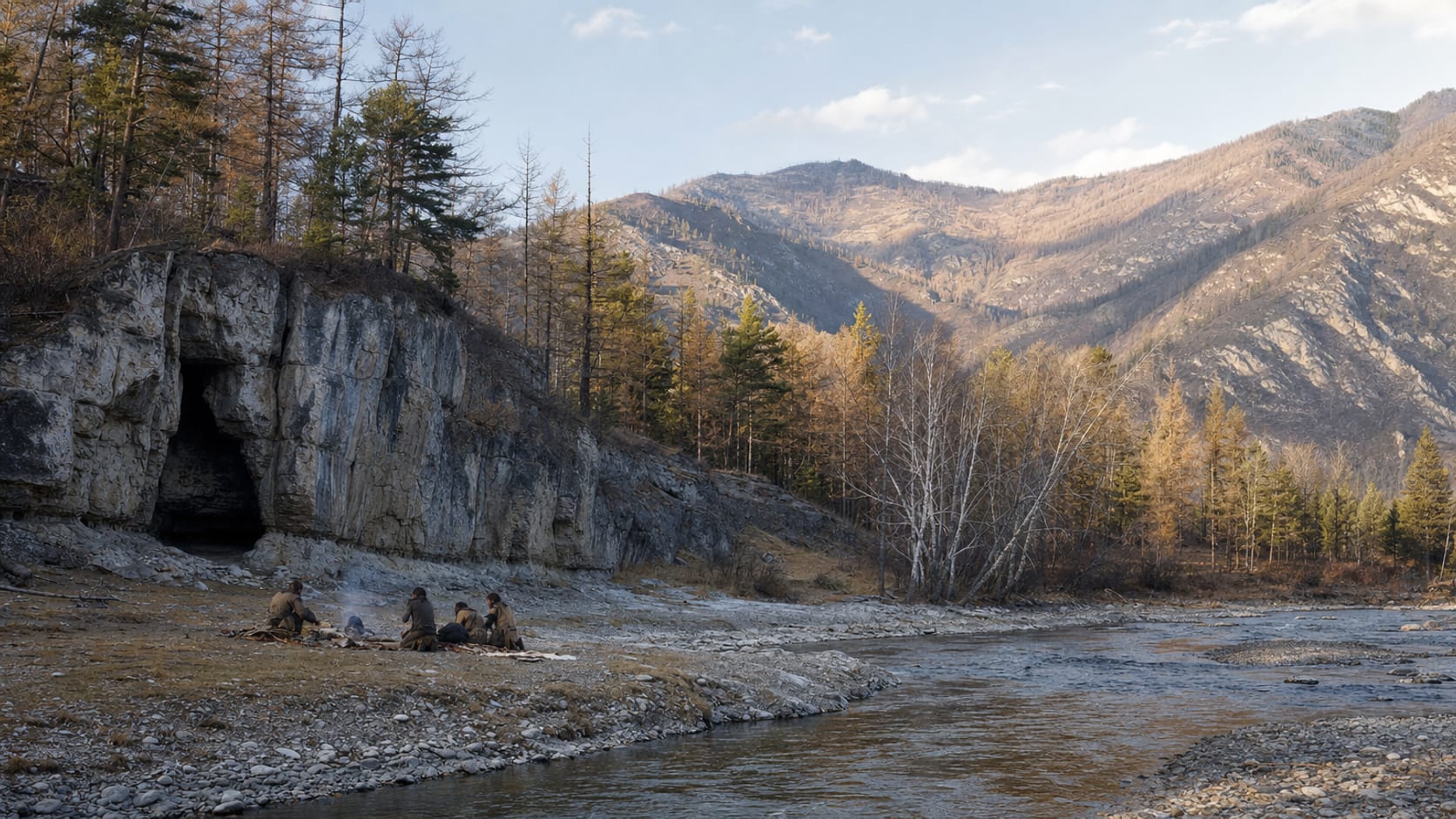
A 200,000-year-old molar from Denisova Cave yields a second high-quality Denisovan genome and reveals at least three distinct Denisovan groups.
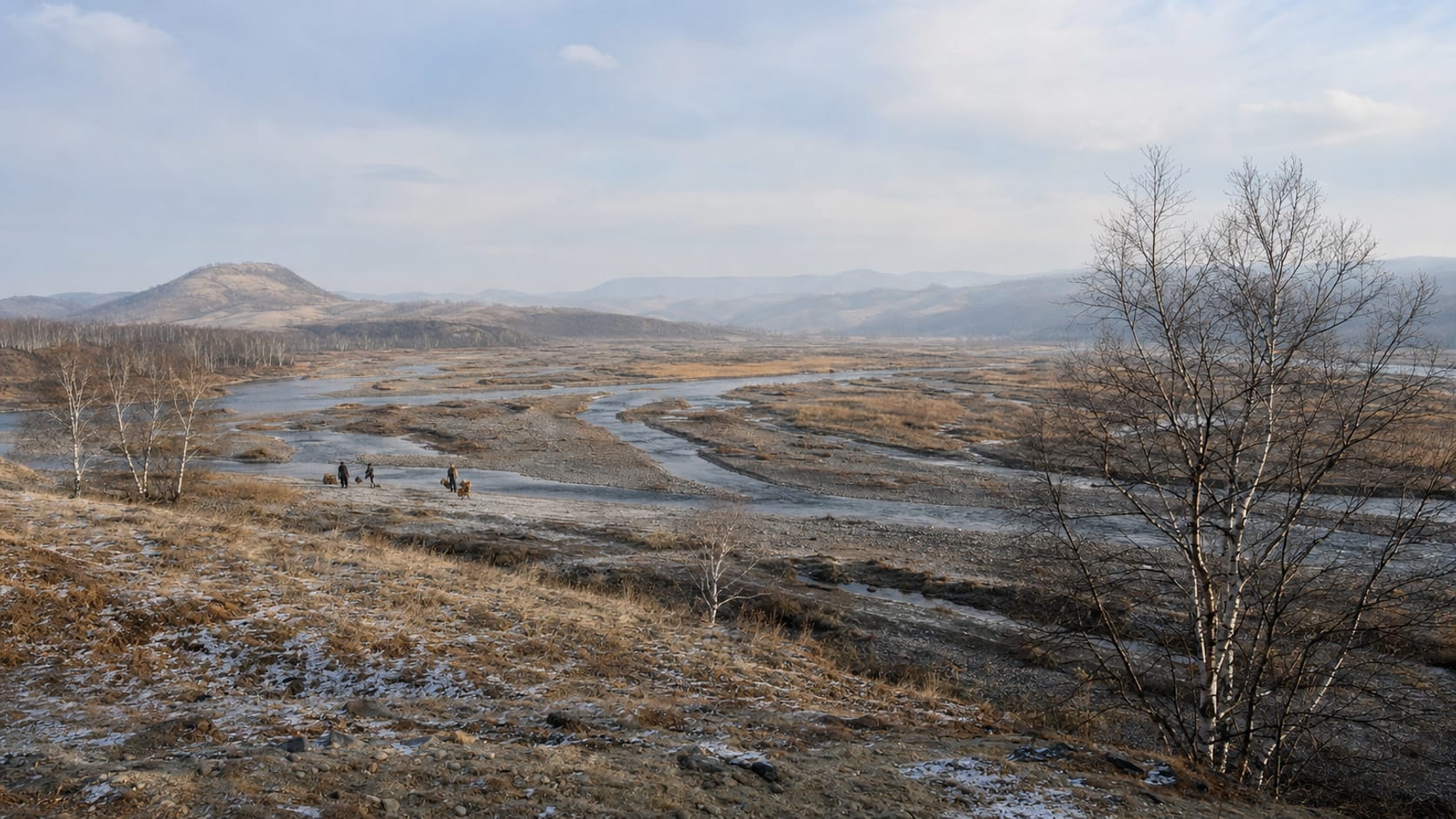
Ancient proteins and mitochondrial DNA from dental calculus identify the near-complete Harbin cranium from northeastern China as a Denisovan.
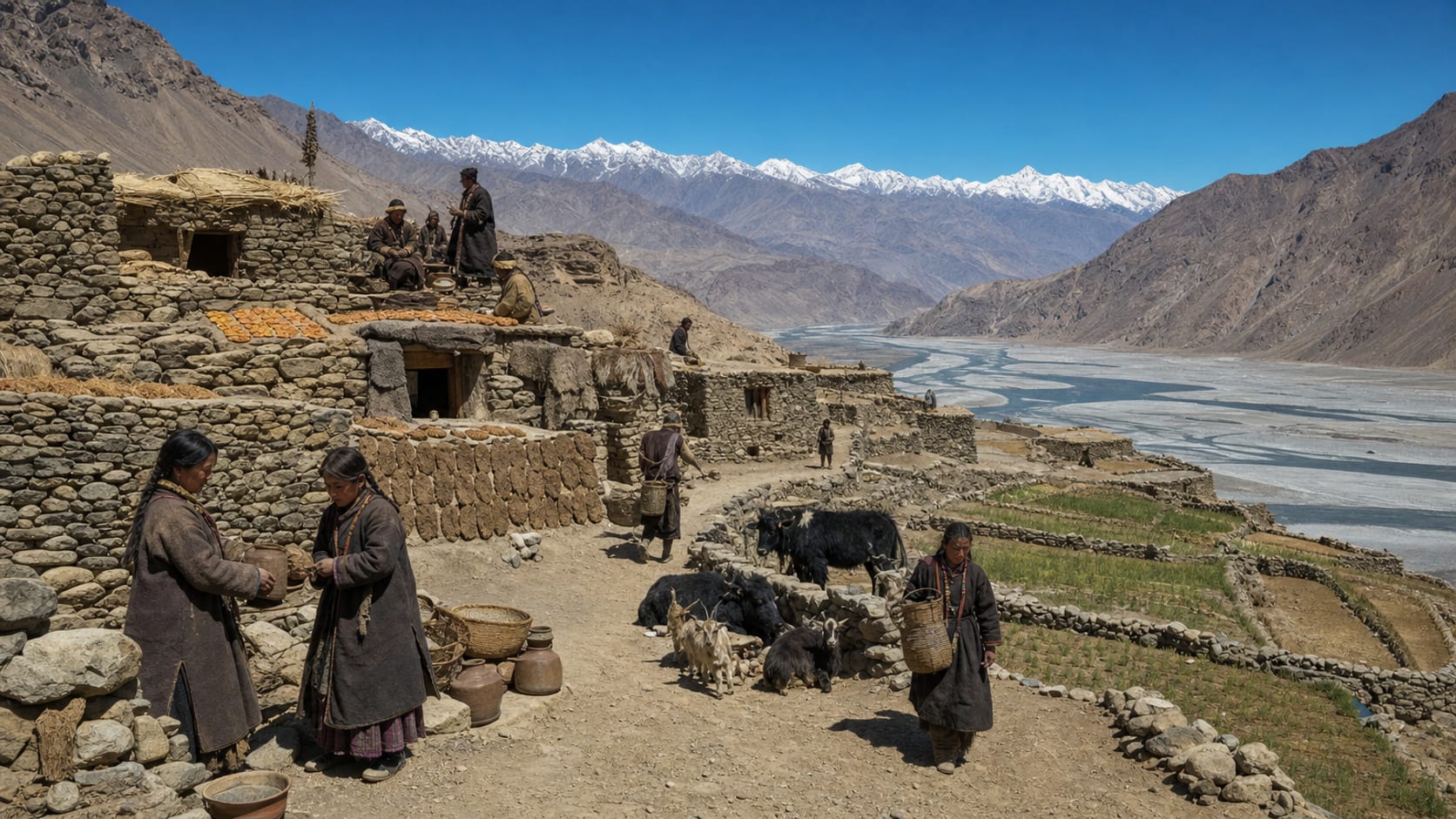
Ten genomes from a Himalayan cave reveal a population that was half Tibetan-related and half North Indian-related, mixing from about 2800 years ago.
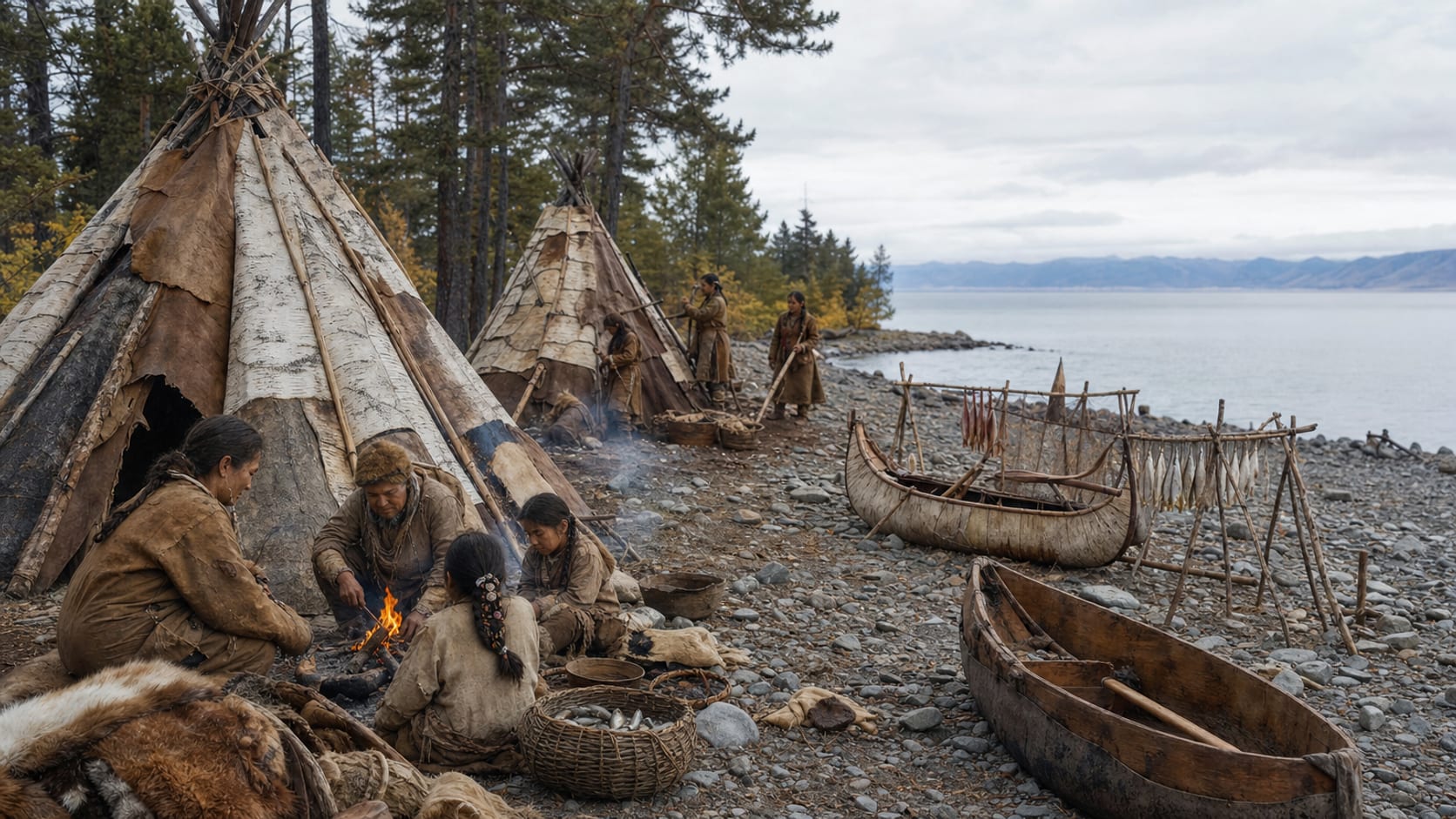
Yersinia pestis genomes from four Siberian hunter-gatherer cemeteries show lethal plague outbreaks millennia before cities, farming or rats.
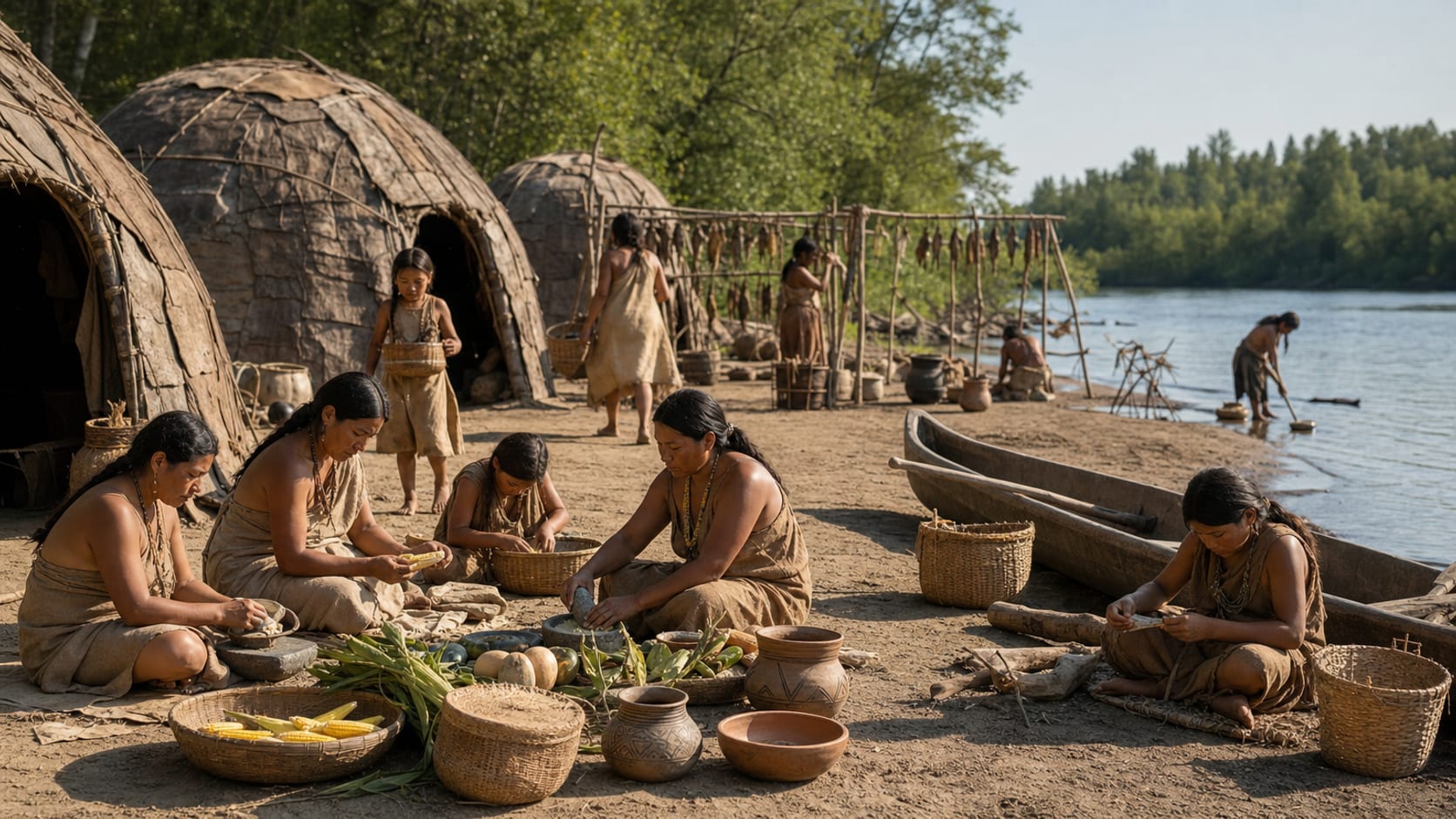
Ancient genomes of Mycobacterium lepromatosis from Canada and Argentina show a second leprosy pathogen circulating in the Americas before contact.
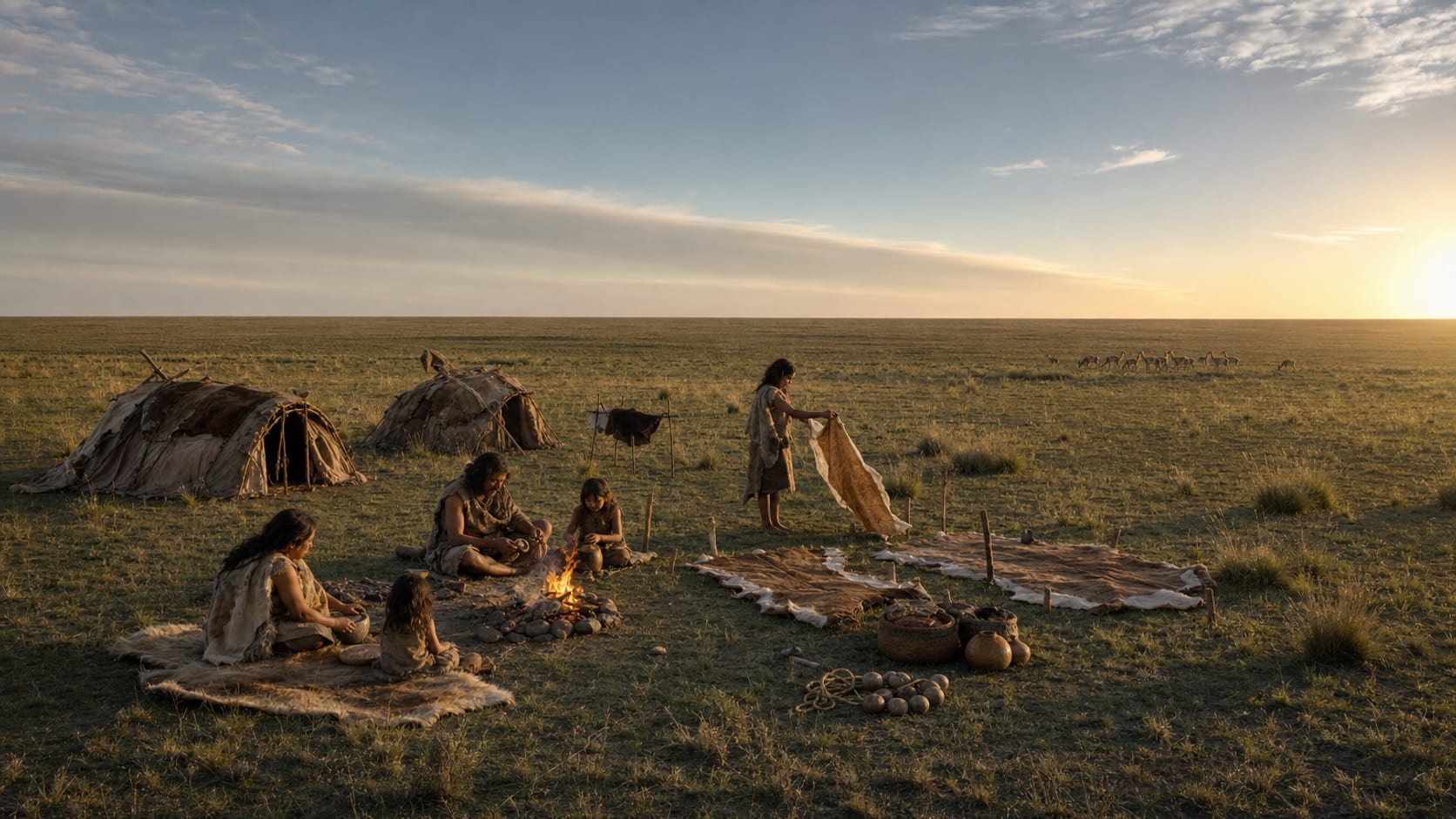
238 ancient genomes from the Southern Cone reveal a deep central Argentina lineage that persisted for thousands of years with little inward migration.
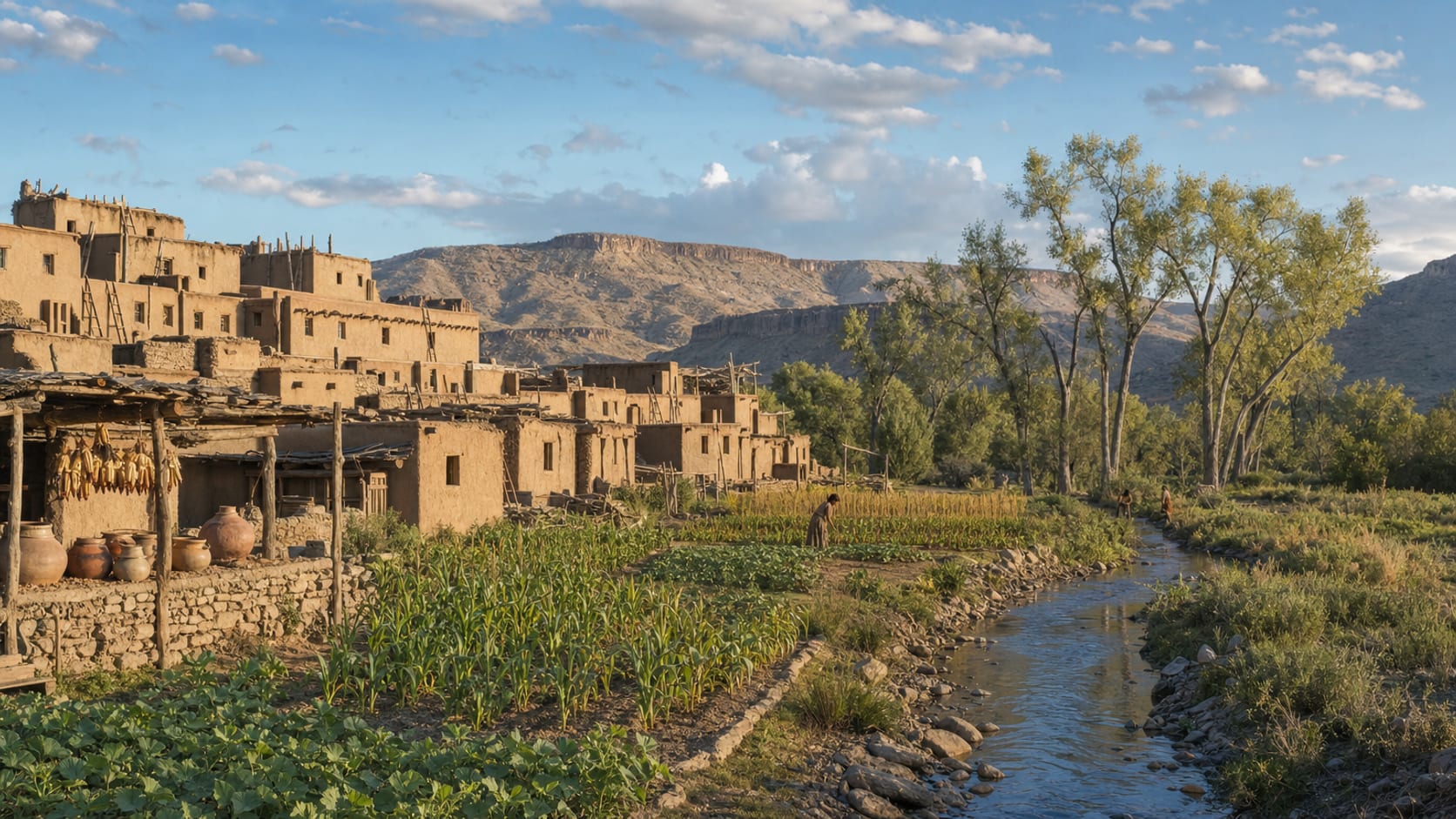
Picuris Pueblo initiated a genomic study of its own ancestors, showing continuity across a millennium and a firm link to Chaco Canyon.
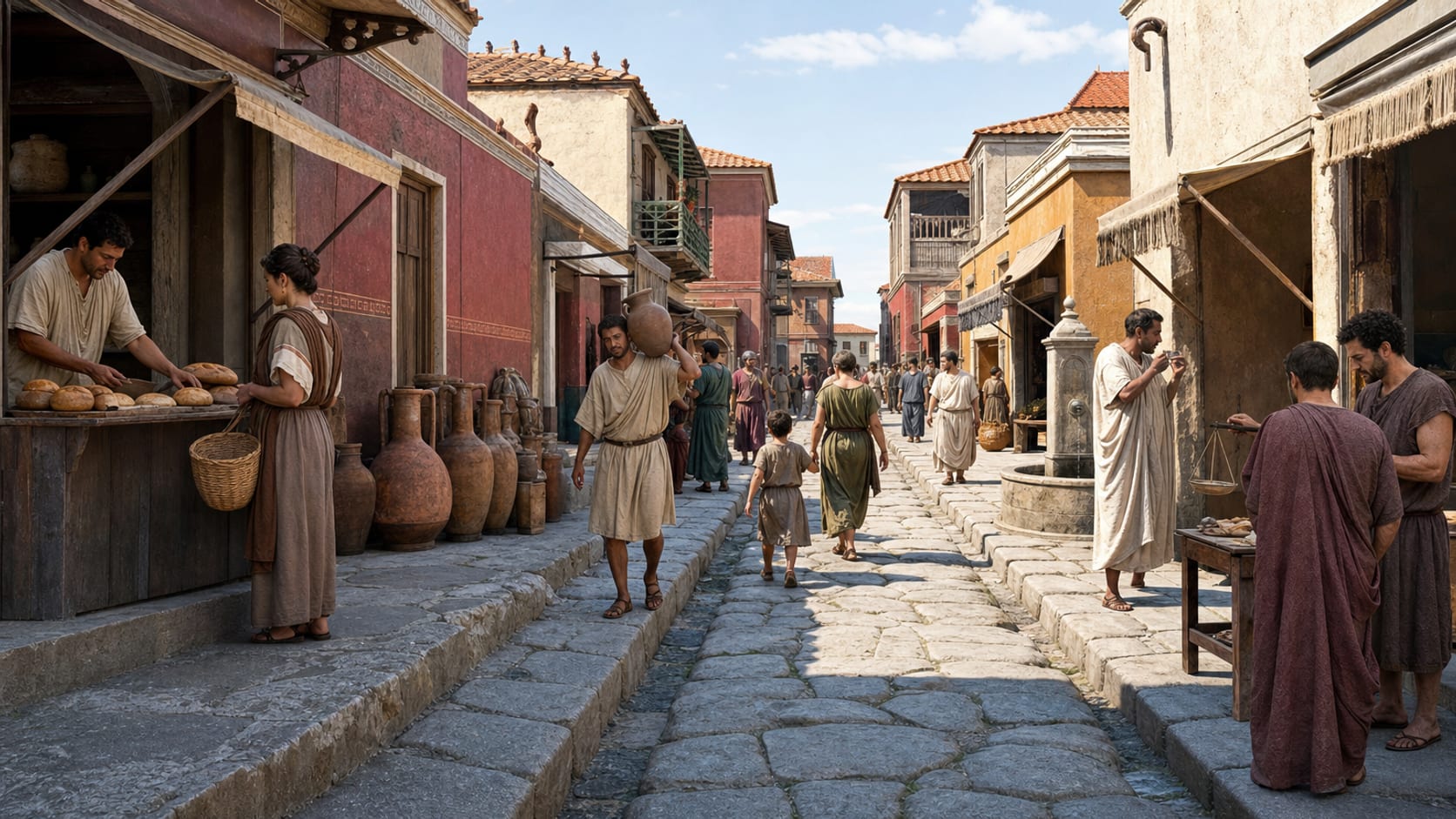
Ancient DNA from five Pompeii plaster casts overturns the family stories told about them for more than a century.
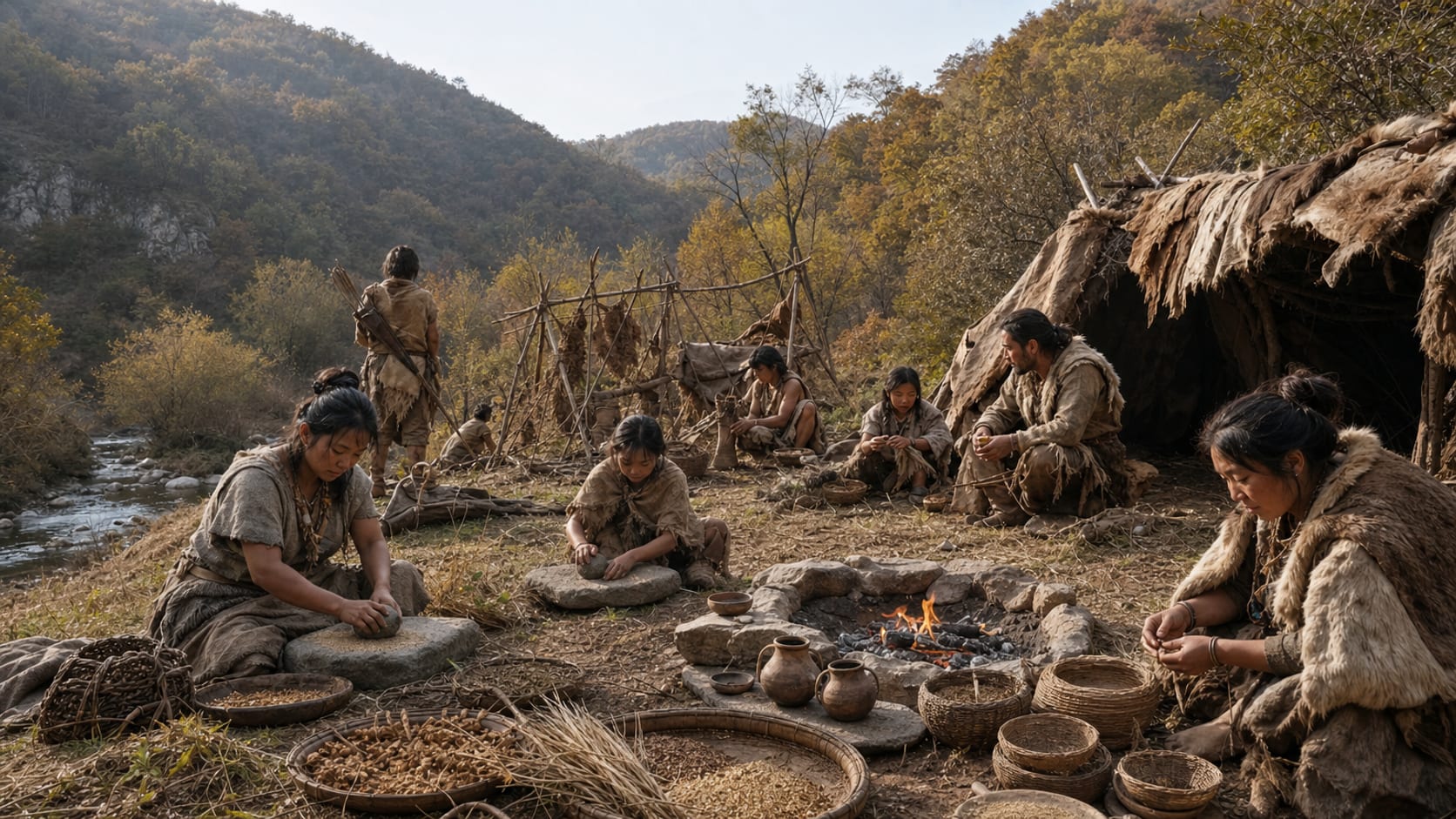
Genomes from an 11,000-year-old site near Beijing reveal an unknown deep northern East Asian lineage and 2,000 years of change at one place.

A 2026 ancient DNA study traces Albanian ancestry from Bronze and Iron Age West Balkan groups through Roman-era and medieval admixture.

Ancient Balkan DNA reveals Roman-era Anatolian mobility, mixed late-antique migrations and lasting ancestry linked to Slavic expansion.

A 2023 Science study analyzed 161 languages, dated the Indo-European root to about 8,120 years ago, and proposed a debated hybrid origin.

A 442-genome Viking study reveals regional Scandinavian ancestry, family expeditions, migration and Viking identities beyond genetic ancestry.
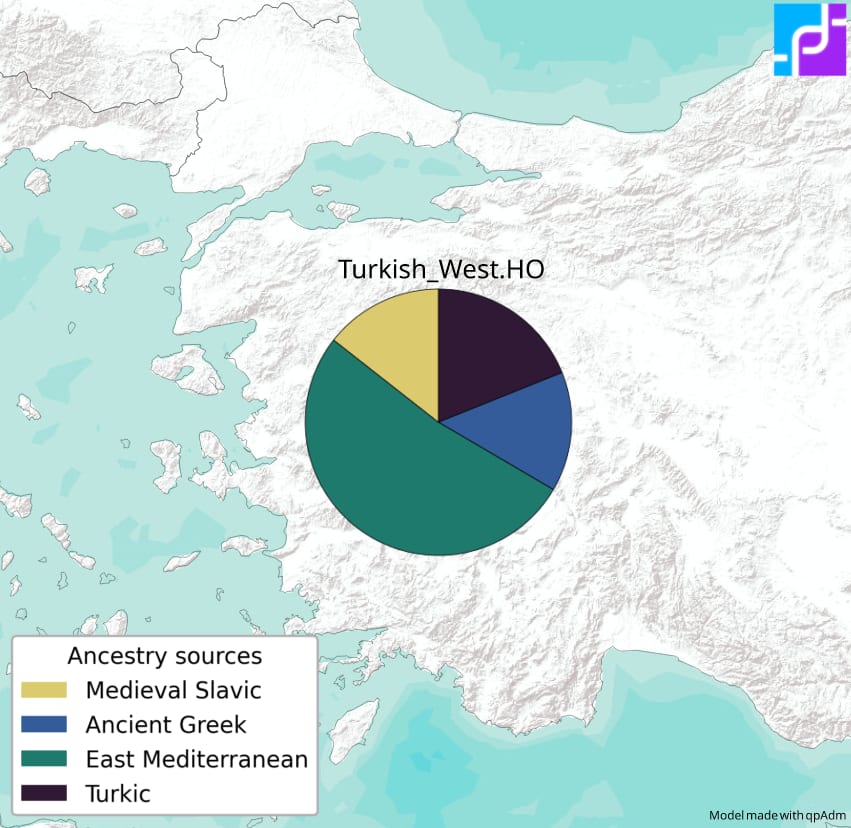
qpAdm modeling shows modern Anatolian Turks carrying ancestry from Neolithic farmers, Yamnaya, and later Iron Age to medieval populations, reflecting a complex mix of local and incoming ancestries.
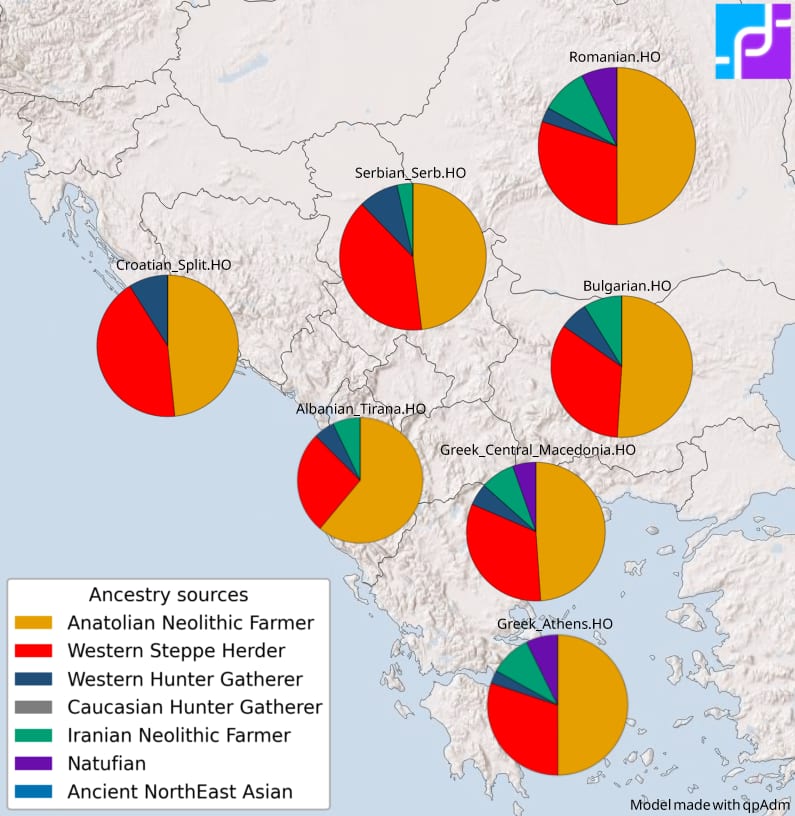
qpAdm modeling shows modern Balkan populations carry varying proportions of Neolithic farmer and Bronze Age steppe ancestry, reflecting long-term regional continuity.
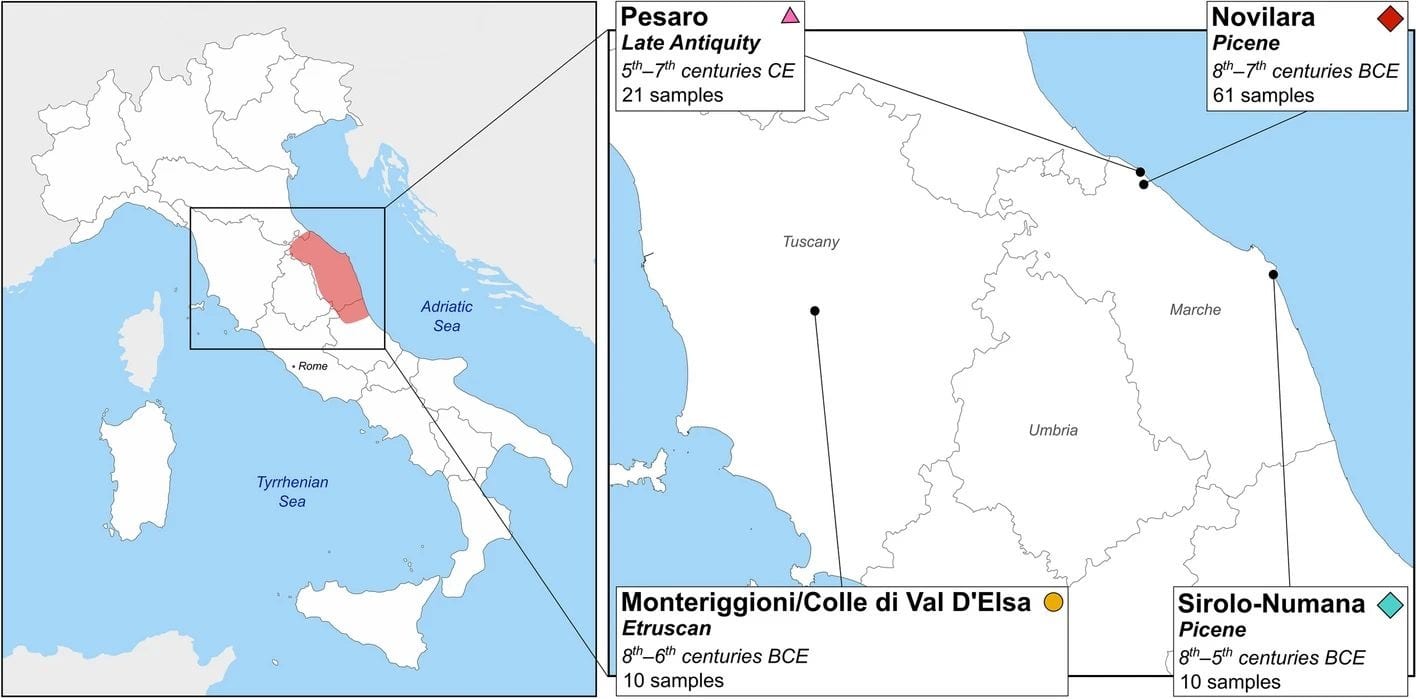
Recent ancient DNA research provides the first comprehensive view of the Picenes (Picentes), an Iron Age population of Central Italy along the Middle Adriatic coast. This study sheds light on their paternal lineages, ancestral composition, and genetic relationships with neighboring populations.