
Notable Matches · Iconic discoveries
The Jews of Medieval Erfurt
The Jews of Medieval Erfurt (c. 1270–1400 CE · Erfurt, Thuringia, Germany): published ancient DNA — mtDNA K1a1b1a, 12 sequenced genomes, and how close your own Global25 coordinates come — free with every Ancestrify G25 report.
The dossier
- Catalog tier
- Iconic discoveries
- Period
- c. 1270–1400 CE
- Found
- Erfurt, Thuringia, Germany
- mtDNA haplogroup
- K1a1b1a
- Sequenced genomes
- 12 (I13865.AG, I14738.AG, I14904.AG, I13862.AG, I14903.AG, I14736.AG, I13868.AG, I14740.AG, I13864.AG, I14847.AG, I13867.AG, I13866.AG)
Who they were
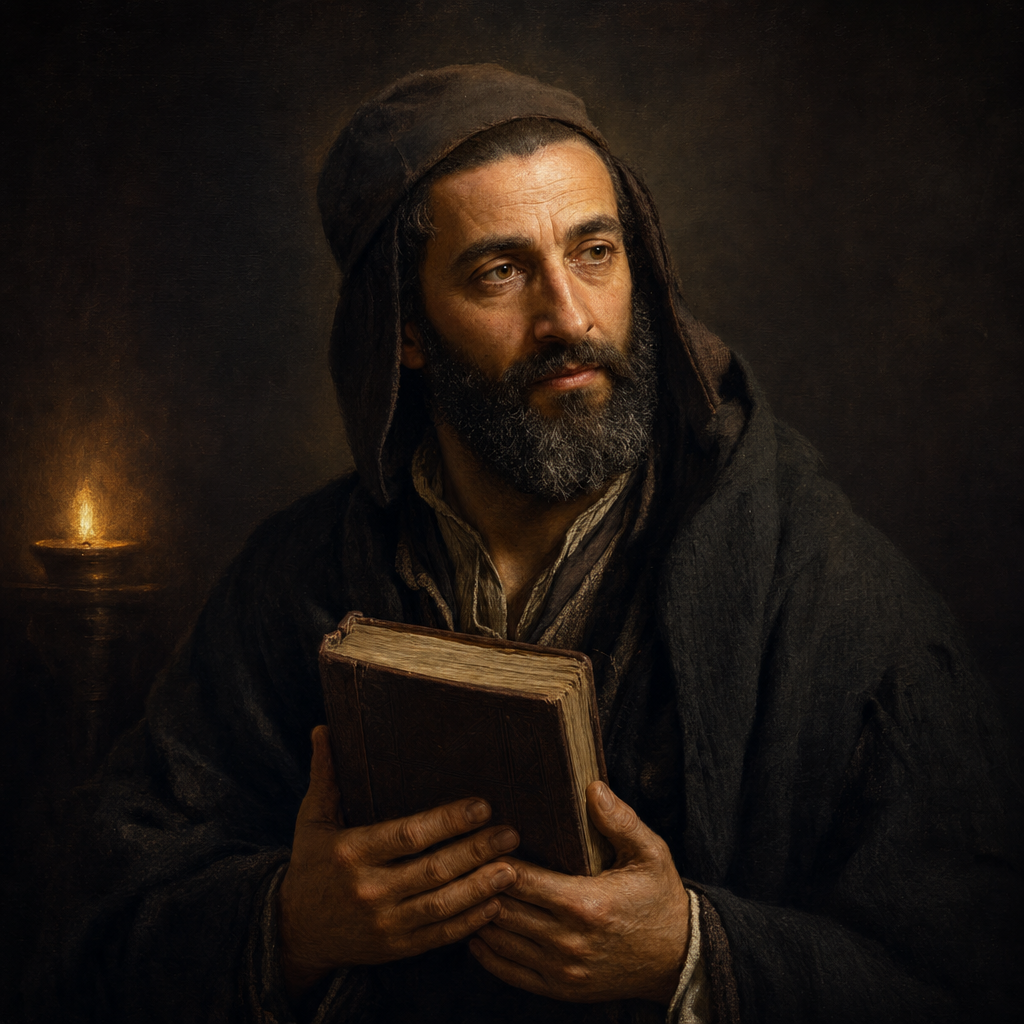
Medieval Erfurt held one of the great Jewish communities of Germany — its eleventh-century synagogue still stands, among the oldest in Europe, beside the stone mikveh by the river Gera. These men and women were buried in the community's cemetery outside the Andreastor, members of a congregation of merchants and scholars whose world also gave us the Erfurt Treasure and its golden wedding ring engraved with mazal tov. Studied only with the blessing of rabbinical authorities and reburied with honour in 2021, their genomes revealed two threads — one reaching toward Eastern Europe, one toward the Mediterranean and the Middle East — already carrying the founder lineages that live on in millions of Ashkenazi Jews today. The community endured the catastrophe of 1349 and rebuilt itself within five years, flourishing for another century.
The genome-wide data behind this entry was published in Genome-wide data from medieval German Jews show that the Ashkenazi founder event pre-dated the 14th century.
How your distance is measured
Every Ancestrify Global25 report includes the free Notable Matches lens: your coordinates are compared to every sequenced member of every catalog entry, and the distance to the closest member is reported — a Euclidean distance in the same 25-dimensional space the Distance lens uses. Because these are a small group of real individuals, not a population average, distances naturally run larger than population distances — that is expected, not a poor result. And one thing is never claimed: a small distance means similar ancestry composition, not that the Jews of Medieval Erfurt are your ancestor. See how it looks in the live demo or read about the full G25 analysis.
Questions
Who were the Jews of Medieval Erfurt?
The Jews of Medieval Erfurt (c. 1270–1400 CE, Erfurt, Thuringia, Germany) are one of the Iconic discoveries entries in our Notable Matches catalog, represented by 12 sequenced ancient genomes published in the study "Genome-wide data from medieval German Jews show that the Ashkenazi founder event pre-dated the 14th century".
What does "matching" the Jews of Medieval Erfurt mean?
Your Global25 coordinates are compared to the entry's sequenced members and the distance to the closest one is reported — a Euclidean distance in the same 25-dimensional reference space the Distance lens uses. A notable entry is one person or one small burial group, not a population average, so distances naturally run larger than population distances.
Are they my ancestor?
No — and no DNA test can show that. A small distance means your genome sits near theirs in a shared reference space: similar ancestry composition, not descent. Ancestrify never claims a notable individual is your ancestor or relative.
How do I see my own distance to the Jews of Medieval Erfurt?
Notable Matches is a free lens on every Ancestrify Global25 report — never sold separately. Order the G25 analysis (29.99 EUR), and your report ranks your coordinates against the full catalog, with a portrait, dossier and map for every entry. The public demo shows the lens with example data.
More from the catalog
The catalog holds every published entry across three tiers — browse the full Notable Matches directory. Nearby entries:
The Jews of Tàrrega1348 CE
The Black Death Londonersc. 1330–1360 CE
The Medieval Bosnians13th–15th century CE
The Retainers of Machu Picchuc. 1420–1530 CE
The Christians of Norman Segestac. 1120–1320 CE
The Albanians of Arbëriac. 1400–1700 CE
The Norse of Greenlandc. 950–1400 CE
The Roma of Barçc. 1500–1700 CE
The Muslims of Segestac. 870–1170 CE
The Medieval Docleansc. 800–1100 CE
The Gaels of Kilteasheenc. 700–1300 CE
The Christians of Sigtunac. 900–1050 CE