

Egyptian DNA: ancient origins from the Old Kingdom genome to the modern Nile
Egypt finally has ancient genomes: what the Old Kingdom and mummy-era samples show about ancient Egyptian ancestry, how the modern Nile gene pool differs, and how to read an Egyptian genome honestly.
- What the ancient genomes actually show
- From the pharaohs to the present
- Reading your own results
- Frequently asked questions
- Were the ancient Egyptians African or Middle Eastern?
- Are modern Egyptians descended from the ancient Egyptians?
- Can a DNA test tell me if I descend from the pharaohs?
- Sources and further reading
Related posts
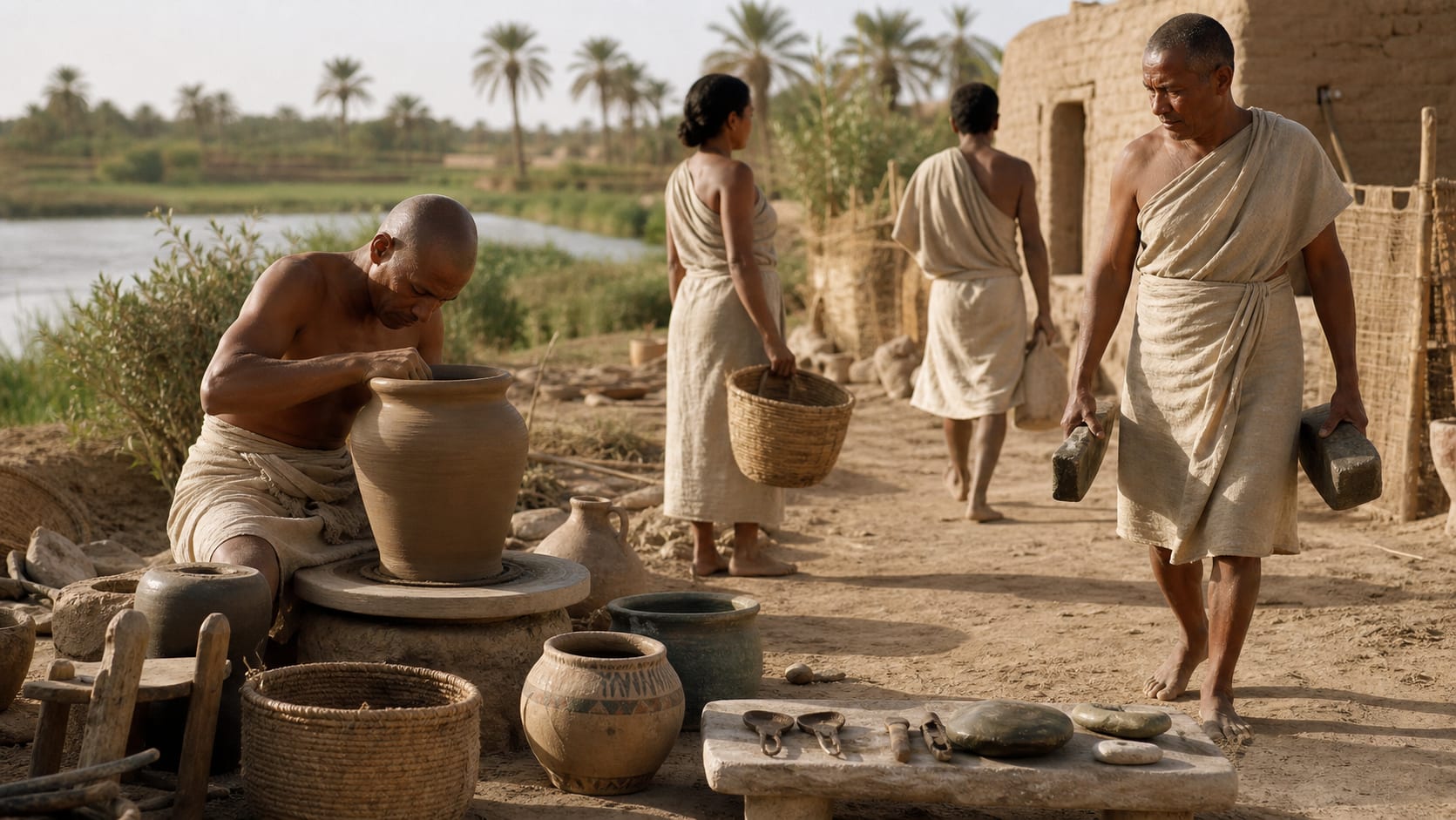
Ancient Egyptian DNA: What the First Old Kingdom Genome Reveals
The first whole genome from Old Kingdom Egypt reveals deep North African ancestry and an eastern Fertile Crescent connection—with major limits.
9 min read
Sephardic Jewish DNA: Iberia, the exile and the ancient sources
What ancient DNA says about Sephardic ancestry across Turkey, the Balkans, North Africa and Iberia, why 'Sephardic' covers several different genetic histories, and how a qpAdm model separates the Levantine, Iberian and North African layers.
5 min read
English DNA: ancient origins from the Beaker reset to the Anglo-Saxon century
England has ancient DNA's best-measured migrations: a Beaker-era turnover, a mid-Bronze Age Celtic-era influx, the quantified Anglo-Saxon settlement and the Danelaw. What each layer left in English genomes, and how to read yours.
4 min read