
qpAdm source populations
Ancestry populations
The 41 ancient populations the Ancestrify qpAdm analysis can write your genome as a mixture of — real archaeological groups with published ancient DNA, across 2 eras — and a catalog that files your result under every sovereign state.
What a source population is
qpAdm asks one formal question: can your genome be written as a mixture of a handful of ancient source populations, to within statistical noise, when tested against a fixed set of outgroups? Each population below is one such source — a group of sequenced individuals from one archaeological context, pooled as a reference. A source population is a reference the model tests against, never a statement about who your ancestors were: Ancestrify never claims a population is your ancestor. The catalog your result is filed under covers every sovereign state — 199 countries, 1,115 regions. See how it reads in the live demo.
Classical Antiquity
Represents the historically attested peoples and cultures from the Iron Age through the late Roman and early Medieval periods (~800 BCE–700 CE) whose genetic profiles have been reconstructed through archaeogenomic sampling across the Mediterranean, Balkans, and wider Europe.

Aegean (BC 200 - 600 AD)
The Greek-speaking populations of the Aegean islands and coasts in the Hellenistic, Roman and early Byzantine centuries.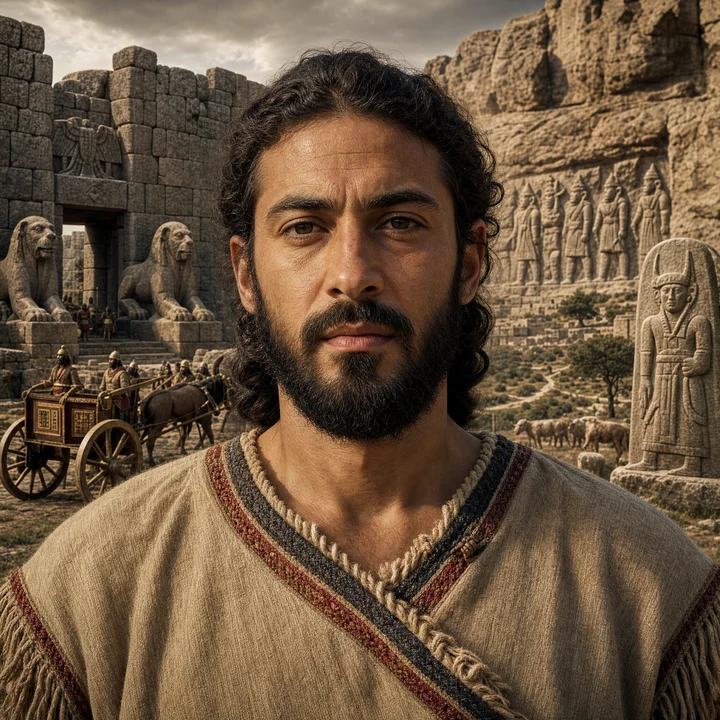
Anatolian (1800 - 300 BC)
The Bronze and Iron Age peoples of Anatolia, from the Hittite kingdoms to the Persian satrapies, before Hellenisation.
Ancient Greek (1500 - 300 BC)
The Mycenaean and Classical Greeks of the mainland, from the palace age through the city-states, ancestors of the Hellenistic world.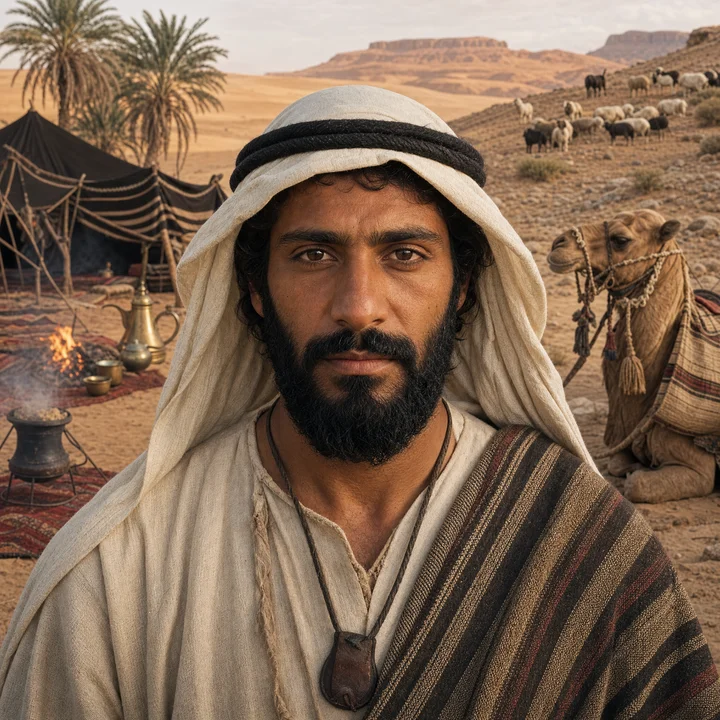
Arabian Peninsula (0 - 600 AD)
The peoples of the Arabian Peninsula in the centuries before Islam, heirs to a deep Natufian-related lineage with Iranian and African admixture.
Baltic (BC 200 - 600 AD)
The Iron Age peoples of the eastern Baltic — the forerunners of the Balts — in whom Europe's highest hunter-gatherer ancestry survived.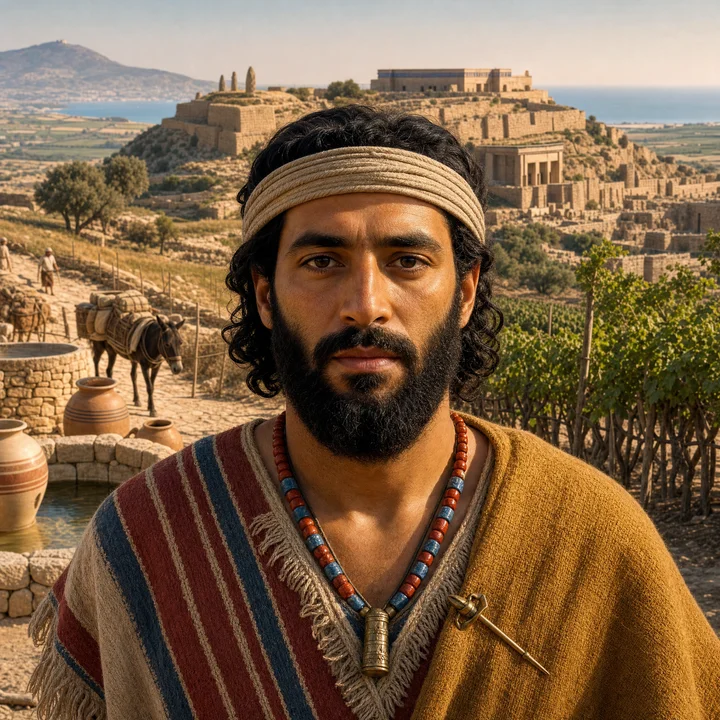
Canaanite (2000 - 1200 BC)
The Bronze Age city-dwellers of the southern Levant, the ancestral population of the Israelites, Phoenicians and every later Levantine and Jewish community.
Carthaginian (800 - 150 BC)
The Punic population of Carthage and its western Mediterranean colonies, a genetically diverse maritime society with deep North African and Aegean roots.
Continental Celt (800 - 50 BC)
The Hallstatt and La Tène populations of Gaul and Central Europe — the Iron Age Celts of the continent before the Roman conquest.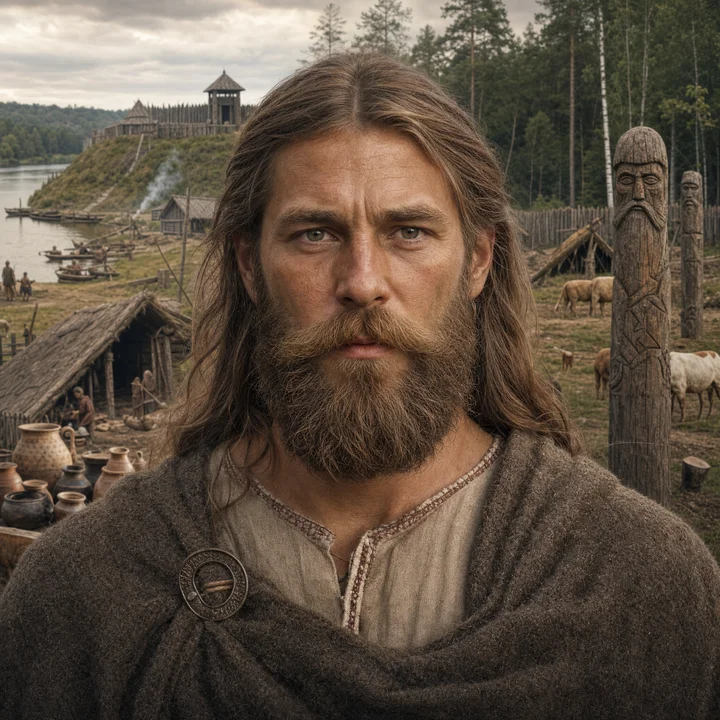
Early Slavic (600 - 1200 AD)
The early medieval Slavs whose expansion from Eastern Europe reshaped the Balkans, Central Europe and the East European plain.
Eastern Mediterranean (0 - 600 AD)
The populations of the Roman and early Byzantine Levant and Cyprus, heirs to the Bronze Age Canaanites with Aegean and Anatolian admixture.
Finno-Ugric Volga (0 - 400 AD)
The Iron Age peoples of the Volga forests, forerunners of the Finnic and Volga-Finnic speakers, marked by a Siberian-related ancestry and Y haplogroup N.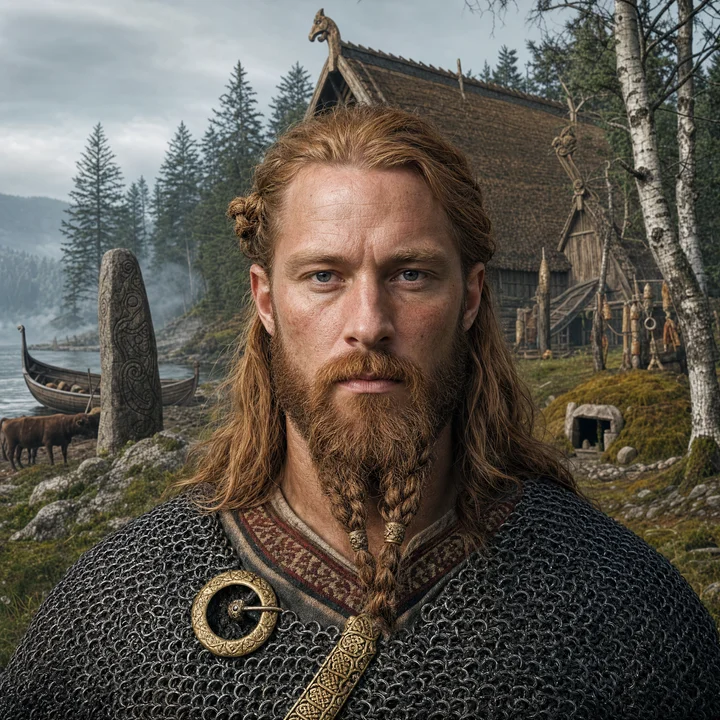
Germanic (0 - 500 AD)
The Iron Age and Migration Period peoples of Scandinavia and northern Germany, from whom the Anglo-Saxons, Franks, Goths and Vikings descended.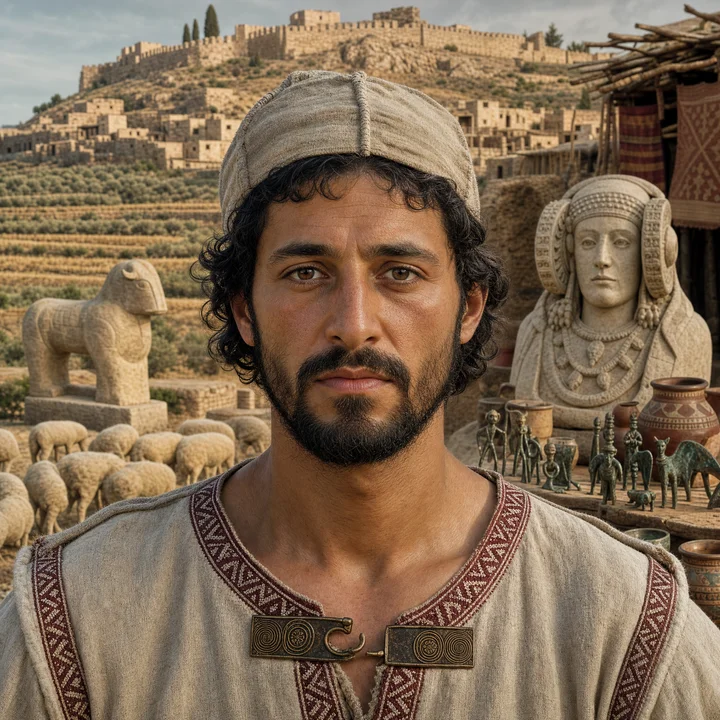
Iberian (800 - 50 BC)
The Iron Age peoples of the Iberian Peninsula — Iberians, Celtiberians and Tartessians — before the Roman conquest.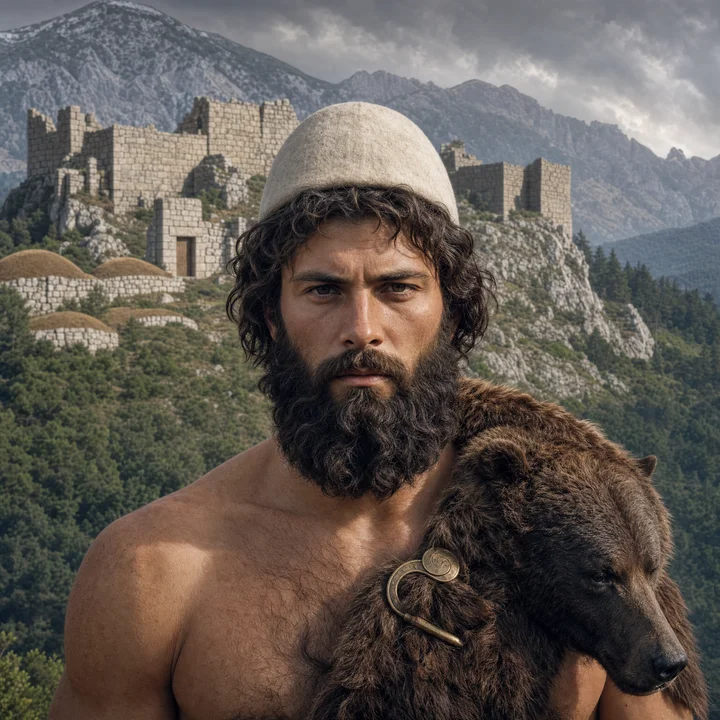
Illyrian (1200 - 250 BC)
The Bronze and Iron Age peoples of the western Balkans and Adriatic coast, the Illyrians of Greek and Roman sources.
Imperial Italy (0 - 550 AD)
The cosmopolitan population of Roman Italy at the height of the empire, drawn from across the Mediterranean and shifting east with the capital's growth.
Indigenous Berber (300 - 1400 AD)
The Berber-speaking populations of the Maghreb from late antiquity through the medieval period, carriers of the deep North African lineage.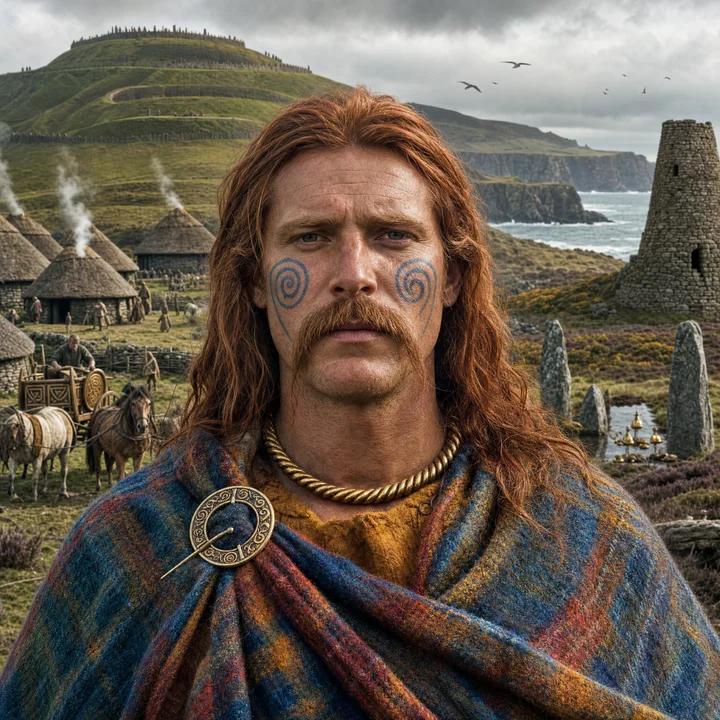
Insular Celt (BC 600 - 100 AD)
The Iron Age peoples of Britain and Ireland, descendants of the Bell Beaker settlers, before and during the Roman conquest of Britain.
Latin and Etruscan (850 - 150 BC)
The Iron Age peoples of central Italy — Latins, Etruscans and their neighbours — from the founding of Rome to the Republic's Mediterranean conquests.
Moesia Superior (0 - 500 AD)
The Roman provincial population of the central Balkans along the Danube frontier, a cosmopolitan mix of natives, soldiers and eastern migrants.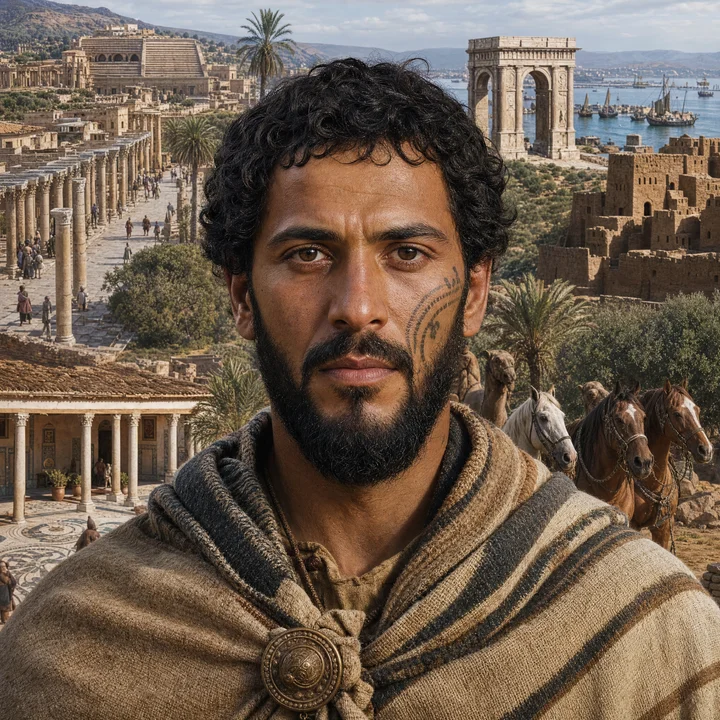
Numidian Berber (0 - 500 AD)
The Berber-speaking population of Roman North Africa — Numidia and Mauretania — before the Arab conquest.
Nuragic Sardinian (1800 - 700 BC)
The Bronze Age tower-builders of Sardinia, a population that preserved Europe's Neolithic farmer ancestry more completely than anywhere else.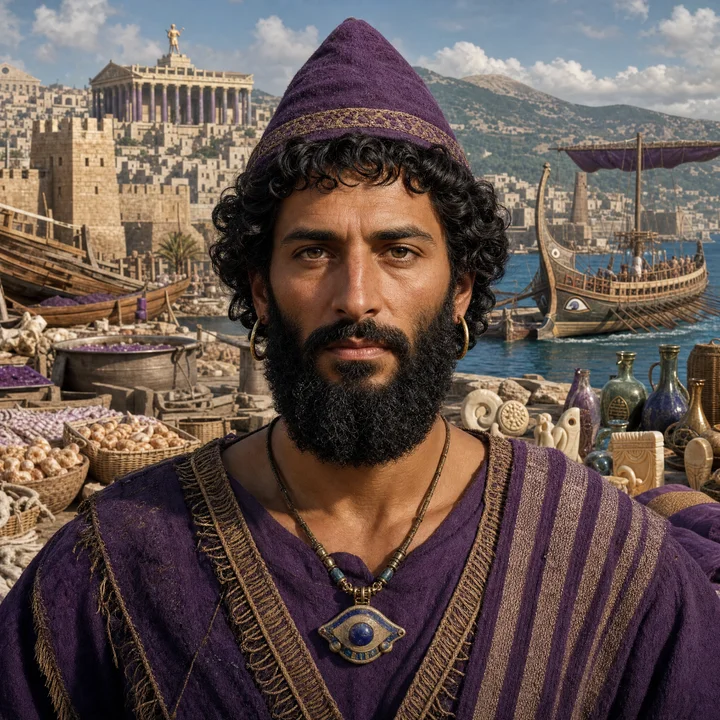
Phoenician (850 - 50 BC)
The Iron Age Levantine seafarers of Tyre, Sidon and Byblos, direct heirs of the Canaanites, who founded colonies across the Mediterranean.
Pontic (300 - 50 BC)
The Hellenistic-era peoples of the northern Black Sea coast, where Greek colonists, Scythians and Sarmatians met.
Proto Albanian (500 - 900 AD)
The early medieval population of the western Balkans in whom the pre-Slavic Illyrian-related ancestry persisted through the Slavic migrations.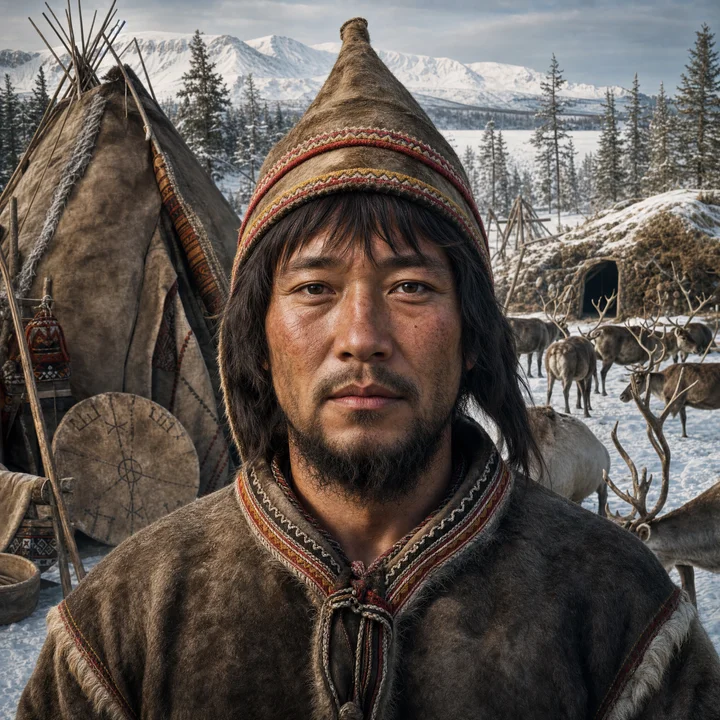
Saami (0 - 700 AD)
The Iron Age ancestors of the Saami of northern Fennoscandia, marked by Europe's strongest Siberian-related ancestry.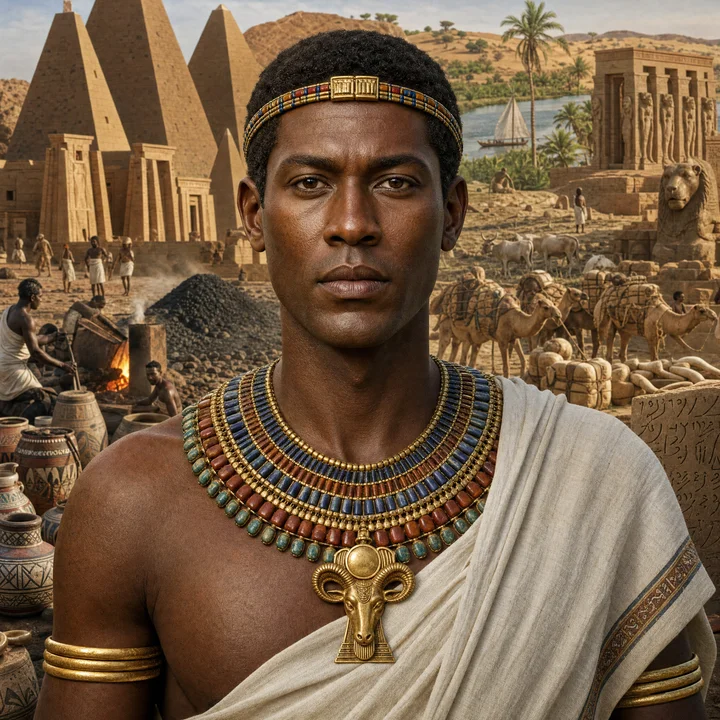
Sub Saharan African (300 BC - 400 AD)
The Iron Age populations of Africa south of the Sahara, during the Bantu expansion and the first trans-Saharan and Red Sea contacts with the Mediterranean.
Thracian (850 - 0 BC)
The Iron Age Thracians of the eastern Balkans, from the Danube to the Aegean, neighbours and rivals of the Greeks and Macedonians.
West Anatolian (0 - 600 AD)
The Roman and early Byzantine population of western Anatolia's Greek cities, where Anatolian and Aegean ancestry met.
Hunter Gatherer and Neolithic Farmer
Encompasses the major ancestral components from the Mesolithic through the Neolithic transition (~12,000–4,000 BCE) identified through ancient DNA as the foundational genetic building blocks of modern Eurasian and global populations.
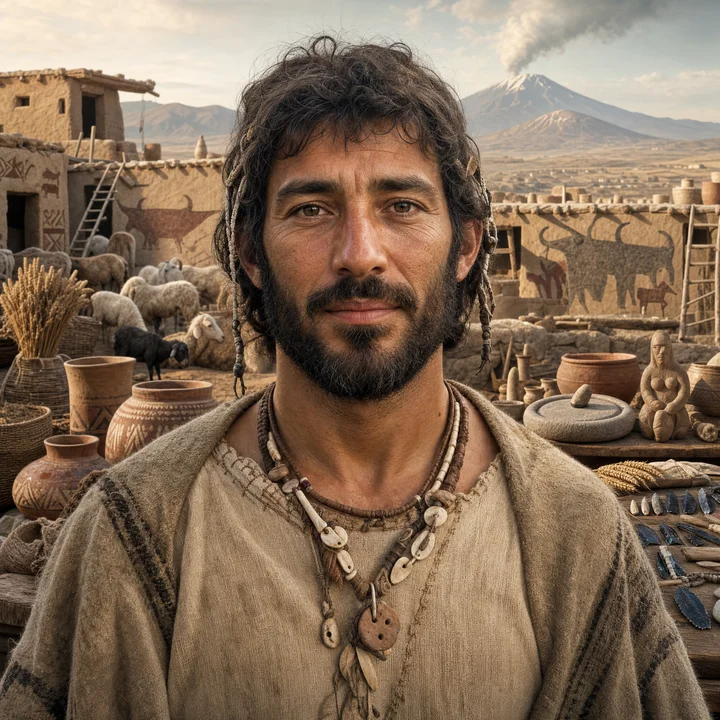
Anatolian Neolithic Farmer (8500 - 6000 BC)
The first farmers of Anatolia, whose descendants carried agriculture into Europe and became the largest ancestry component of the European Neolithic.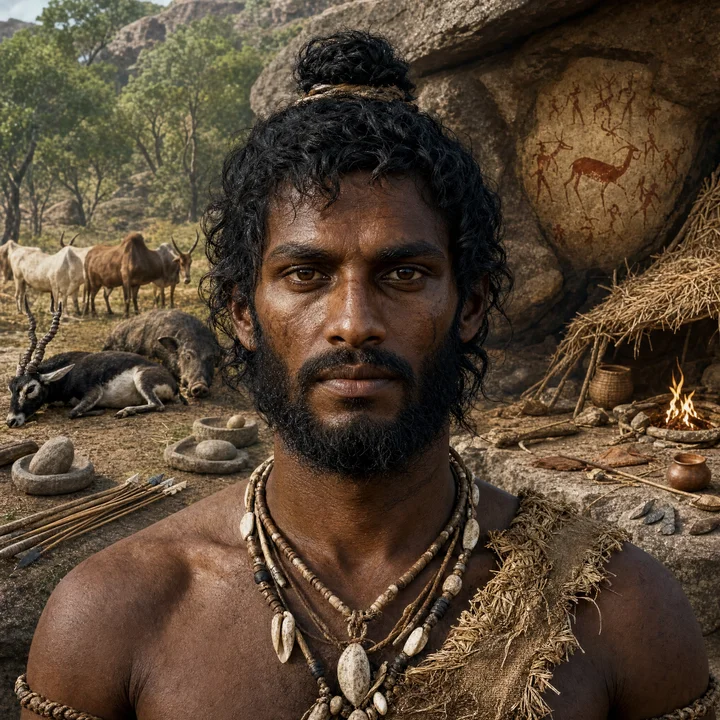
Ancestral South Indian (10000 - 2000 BC)
The deep indigenous ancestry of the Indian subcontinent, reconstructed from ancient and present-day genomes as the southern pole of South Asian variation.
Caucasian Hunter Gatherer (13000 - 7000 BC)
Late Upper Palaeolithic and Mesolithic foragers of the Caucasus, the southern ingredient of steppe ancestry and a distinct pole of West Eurasian variation.
Eastern Hunter Gatherer (12000 - 5000 BC)
Mesolithic foragers of the East European forest and steppe, from Karelia to Samara, who carried ancient North Eurasian ancestry into the steppe gene pool.
Iberomaurusian (15000 - 8000 BC)
Late Pleistocene foragers of the Maghreb coast, whose genomes from Taforalt reveal a deep North African lineage with Near Eastern and sub-Saharan connections.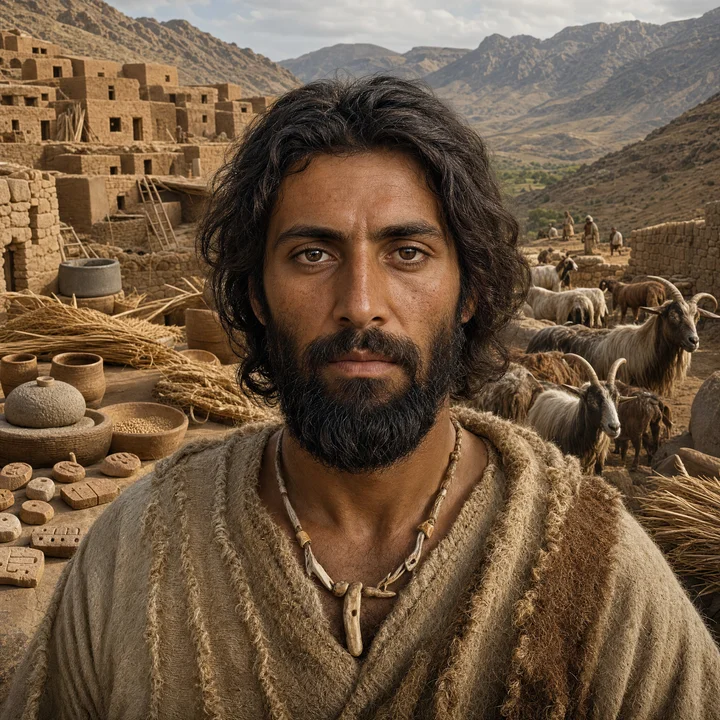
Iranian Neolithic Farmer (8000 - 5000 BC)
The early farmers of the Zagros mountains, a deeply divergent West Asian lineage that seeded ancestry from the Caucasus and Arabia to the Indus.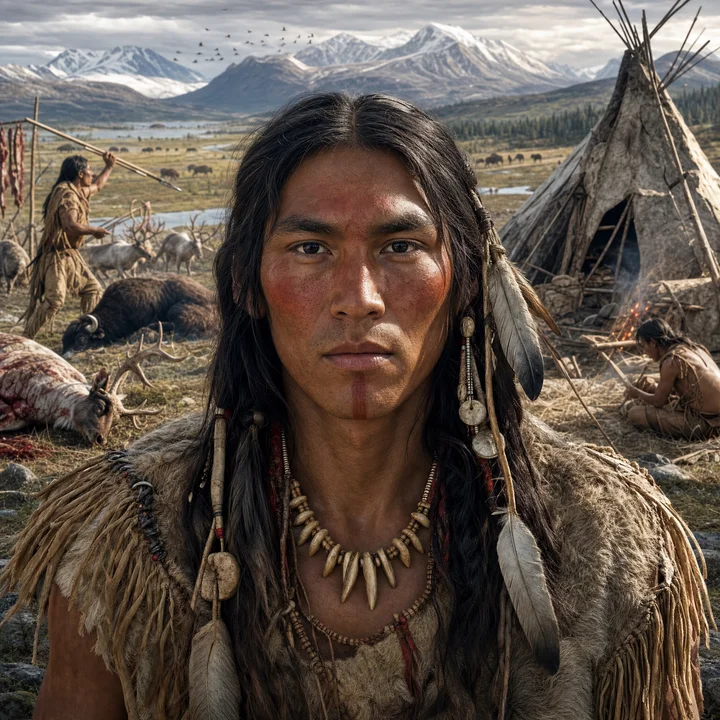
Native American (15000 - 1500 BC)
The founding population of the Americas, descended from Ancient Beringians who crossed from Siberia and diversified from Alaska to Patagonia.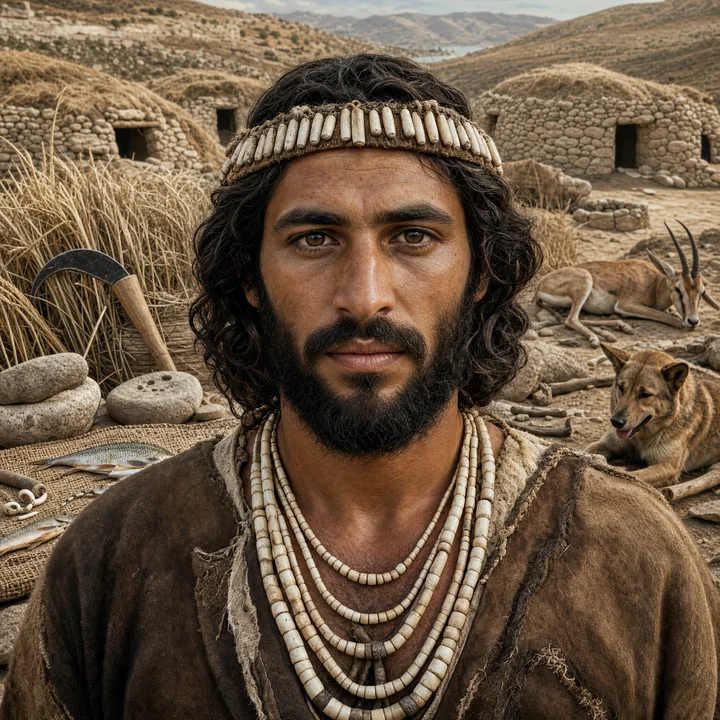
Natufian (12000 - 8000 BC)
Epipalaeolithic foragers of the Levant who lived in the first permanent villages and whose ancestry became the deep Levantine and North African layer.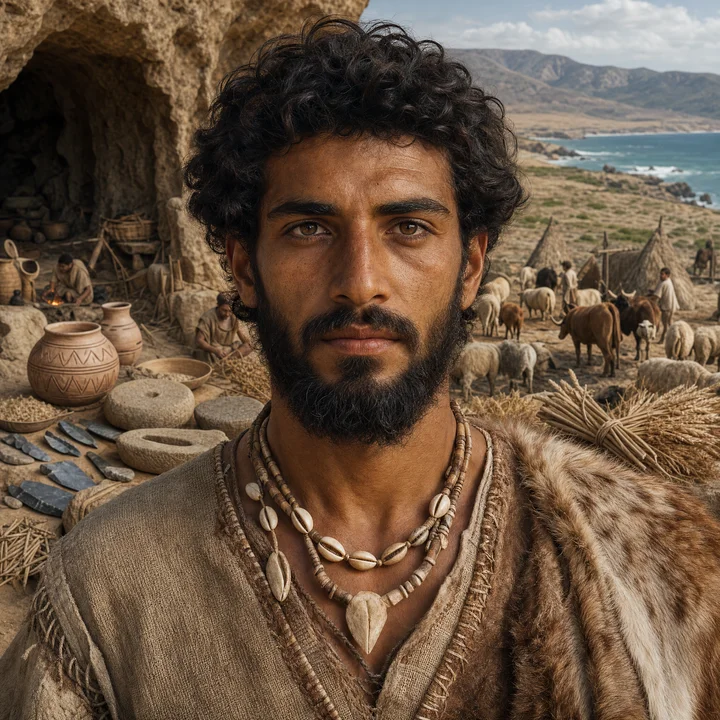
North African Farmer (5200 - 4000 BC)
Neolithic farmers of Morocco who blended the indigenous Iberomaurusian lineage with newcomers from Iberia and the Levant.
Northeast Asian (6000 - 2000 BC)
Neolithic populations of the Amur, Baikal and Mongolian plateau, the northern pole of East Asian ancestry that later fed the steppe nomads.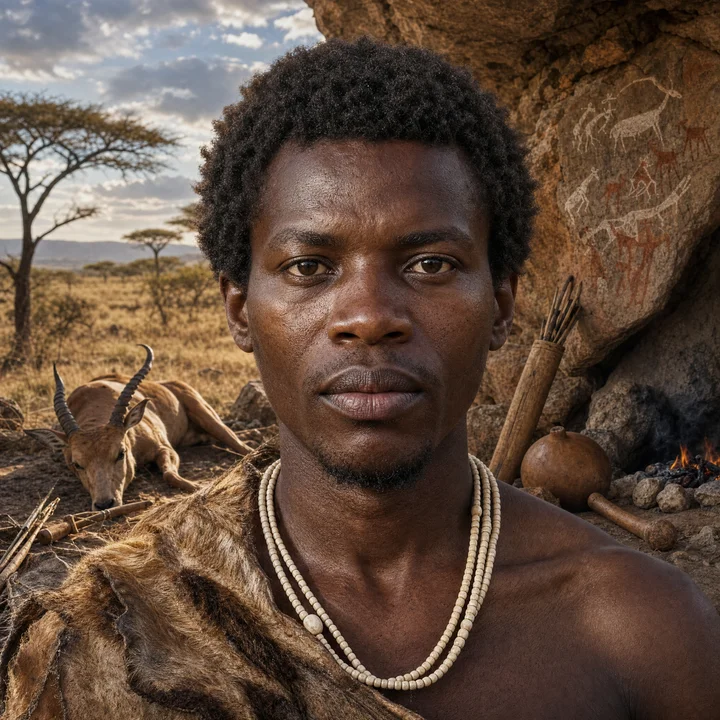
Sub Saharan African
The deep ancestry of Africa south of the Sahara, represented by ancient and present-day genomes from west, east and southern Africa.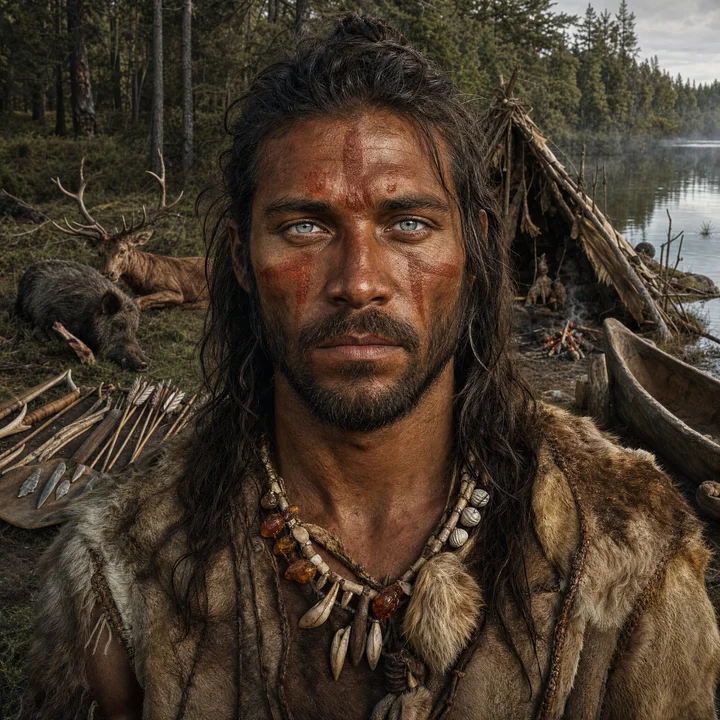
Western Hunter Gatherer (12000 - 6000 BC)
Mesolithic foragers of Western and Central Europe, descendants of the post-glacial recolonisers whose ancestry survives across the continent.
Western Steppe Herder (5000 - 2800 BC)
Eneolithic and Early Bronze Age pastoralists of the Pontic–Caspian steppe, the Yamnaya and their forerunners, whose ancestry reshaped Eurasia.
Model your genome against them.
The qpAdm analysis merges your raw file into the AADR reference panel and publishes a statistically tested model for every era — with a p-value and a standard error on every proportion.