
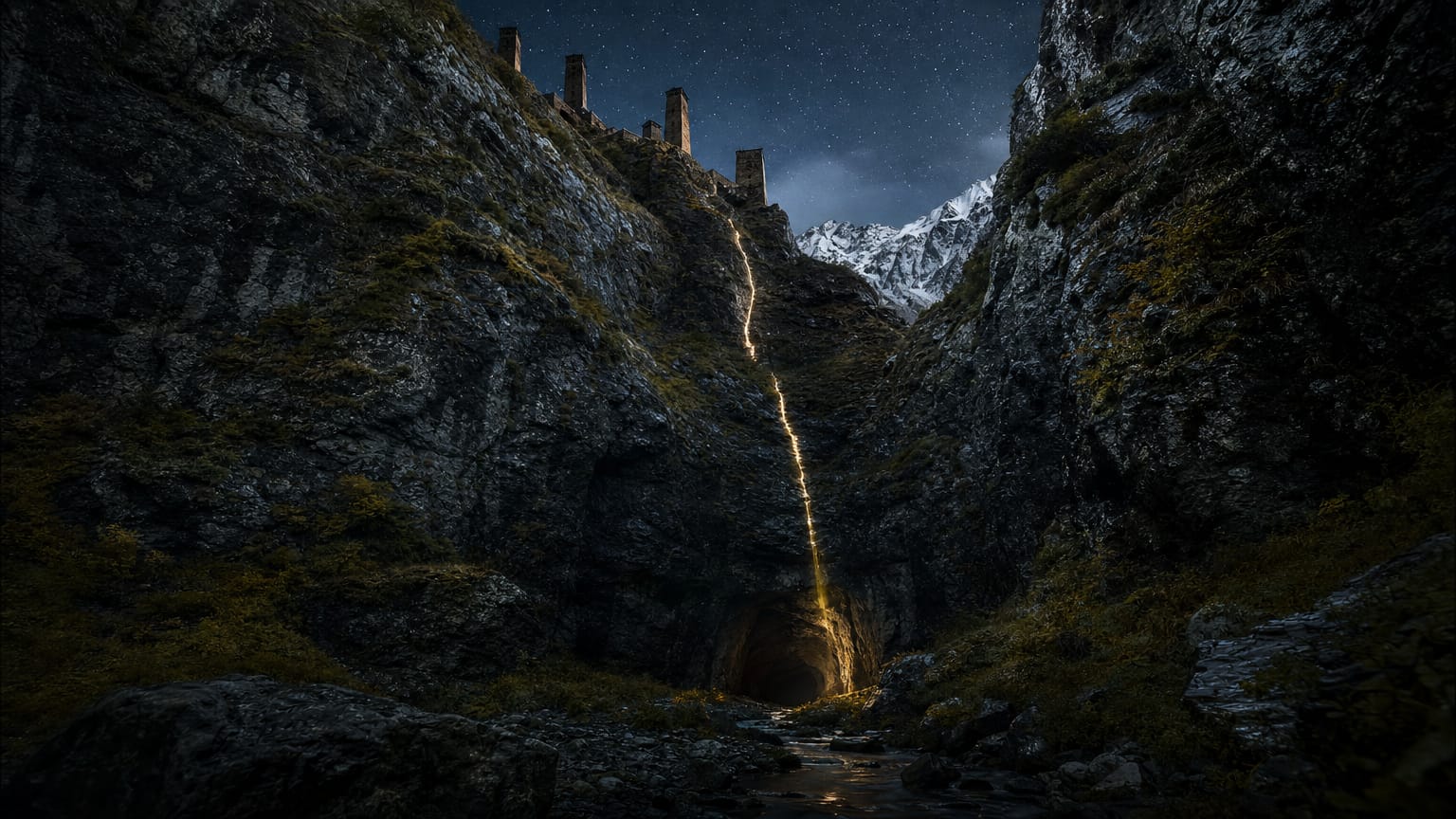
Georgian DNA: ancient origins from Caucasus hunter-gatherers to the highlands
Georgia holds two of the most important genomes in West Eurasian prehistory. What Satsurblia and Kotias revealed, the Kura-Araxes and later layers, why Georgian ancestry is among Eurasia's most continuous, and how to read your own results.
- The genomes that named a lineage
- Farmers arrive, the blend sets
- What modern Georgian genomes show
- Reading your own results
- Frequently asked questions
- Are Georgians "descended from the Caucasus hunter-gatherers"?
- How much steppe ancestry do Georgians have?
- Is Georgian ancestry the same as Armenian?
- Sources and further reading
Related posts
Armenian DNA: ancient origins, the Bronze Age blend and a famous isolation
Ancient DNA gives Armenians one of West Asia's clearest stories: a Bronze Age blend of local Caucasus and Anatolian streams, a measured steppe pulse, and genetic isolation since roughly the end of the Bronze Age. The evidence, honestly read.
4 min read
English DNA: ancient origins from the Beaker reset to the Anglo-Saxon century
England has ancient DNA's best-measured migrations: a Beaker-era turnover, a mid-Bronze Age Celtic-era influx, the quantified Anglo-Saxon settlement and the Danelaw. What each layer left in English genomes, and how to read yours.
4 min read
Egyptian DNA: ancient origins from the Old Kingdom genome to the modern Nile
Egypt finally has ancient genomes: what the Old Kingdom and mummy-era samples show about ancient Egyptian ancestry, how the modern Nile gene pool differs, and how to read an Egyptian genome honestly.
4 min read