
Notable Matches · Iconic discoveries
The Romans of Doclea
The Romans of Doclea (c. 100–400 CE · Doclea, Montenegro): published ancient DNA, one sequenced genome, and how close your own Global25 coordinates come — free with every Ancestrify G25 report.
The dossier
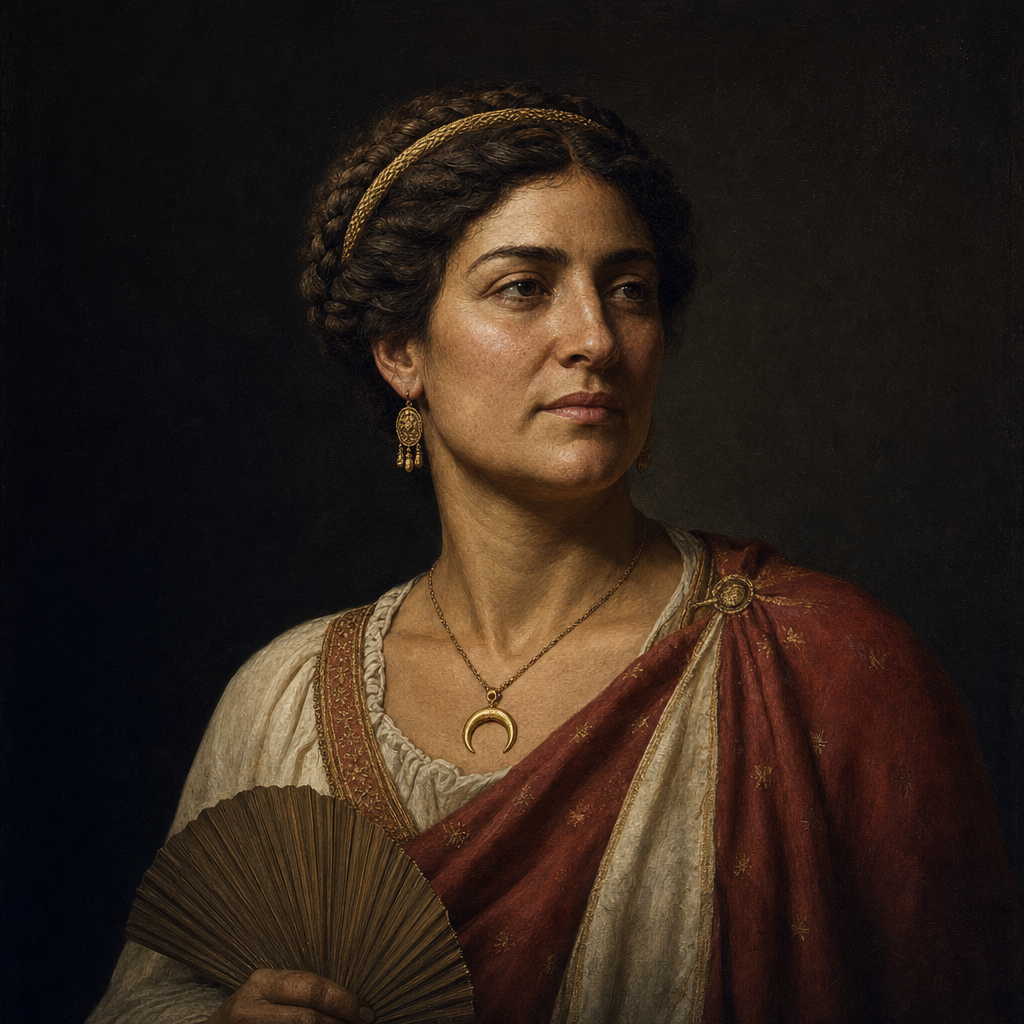
- Catalog tier
- Iconic discoveries
- Period
- c. 100–400 CE
- Found
- Doclea, Montenegro
- Sequenced genomes
- 1 (R3481)
Who the Romans of Doclea was
Doclea was Roman Montenegro's proud provincial capital — forum, basilica and baths raised on a river terrace ringed by mountains, and the city that gave the emperor Diocletian's family its name. Its buried citizens show the empire at work in the western Balkans: native Illyrian stock woven through with newcomers drawn along the roads of Rome.
The genome-wide data behind this entry was published in A genetic history of the Balkans from Roman frontier to Slavic migrations.
How your distance is measured
Every Ancestrify Global25 report includes the free Notable Matches lens: your coordinates are compared to every sequenced member of every catalog entry, and the distance to the closest member is reported — a Euclidean distance in the same 25-dimensional space the Distance lens uses. Because this is a single real individual, not a population average, distances naturally run larger than population distances — that is expected, not a poor result. And one thing is never claimed: a small distance means similar ancestry composition, not that the Romans of Doclea is your ancestor. See how it looks in the live demo or read about the full G25 analysis.
Questions
Who was the Romans of Doclea?
The Romans of Doclea (c. 100–400 CE, Doclea, Montenegro) is one of the Iconic discoveries entries in our Notable Matches catalog, represented by one sequenced ancient genome published in the study "A genetic history of the Balkans from Roman frontier to Slavic migrations".
What does "matching" the Romans of Doclea mean?
Your Global25 coordinates are compared to the entry's sequenced members and the distance to the closest one is reported — a Euclidean distance in the same 25-dimensional reference space the Distance lens uses. A notable entry is one person or one small burial group, not a population average, so distances naturally run larger than population distances.
Is the Romans of Doclea my ancestor?
No — and no DNA test can show that. A small distance means your genome sits near this individual's in a shared reference space: similar ancestry composition, not descent. Ancestrify never claims a notable individual is your ancestor or relative.
How do I see my own distance to the Romans of Doclea?
Notable Matches is a free lens on every Ancestrify Global25 report — never sold separately. Order the G25 analysis (29.99 EUR), and your report ranks your coordinates against the full catalog, with a portrait, dossier and map for every entry. The public demo shows the lens with example data.
More from the catalog
The catalog holds every published entry across three tiers — browse the full Notable Matches directory. Nearby entries:
The Sarmatians of the Lower Danubec. 100–400 CE
The Goths of the Vistulac. 100–400 CE
The Romans of Viminacium1st–6th century CE
The People of Imperial Romec. 100–300 CE
The Greeks of Histria2nd–6th century CE
The Romans of Naissusc. 250–500 CE
The Silla Nobles of Gyeongsanc. 300–500 CE
The Victims of Pompeii79 CE
The European Hun Elites5th century CE
The Bog Army of Alken Engec. 100 BCE–150 CE
The Gepid Kingdomc. 450–560 CE
The Pictsc. 420–630 CE